
Self-storage, from an operator.
Self-storage is one of the most operationally sensitive asset classes in commercial real estate: revenue management, delinquency, lien and auction process, software and street rates all drive value. Apurva owns and operates a multi-facility Texas self-storage portfolio, so our advice comes from running facilities, not just selling them. We help investors buy, sell and develop storage across Greater Houston and Texas.
How we help.
Acquisitions
Underwrite occupancy, street-rate versus in-place rate gaps, delinquency, ancillary income and expense load, and find the upside a tired operator left behind.
Dispositions
Clean operating history, unit mix reports and a credible upside story so buyers pay for what the facility can become.
Development & conversion
Site feasibility, supply analysis within a 3- and 5-mile trade area, and conversion of big-box or industrial buildings to climate-controlled storage.
Operational advisory
Rate management, management software, online rentals and Texas lien-sale process guidance from someone who does it every week.
What we check.
- Unit mix and occupancy (physical and economic)
- In-place versus street rates
- Delinquency aging and lien/auction history
- Management software data export
- Trade-area supply pipeline
- Expansion land and zoning/deed restrictions
- Roof, gates, cameras and climate systems
Where we work
- Greater Houston
- Fort Bend County
- Brazoria County
- Montgomery County
- Waller County
- South Texas tertiary markets
Private investors, regional operators, syndicators and institutional aggregators.
Self-Storage questions.
How is a self-storage facility valued?
Primarily on net operating income and a market cap rate, but sophisticated buyers also pay attention to the gap between in-place and street rates, expansion potential and operational upside.
What law governs self-storage liens in Texas?
Chapter 59 of the Texas Property Code governs self-service storage facility liens, notices and sales. Your operating history of following it matters to buyers.
Start a self-storage conversation
Share the property, criteria or goal. Off-market inquiries are handled confidentially.
Self-Storage insights.
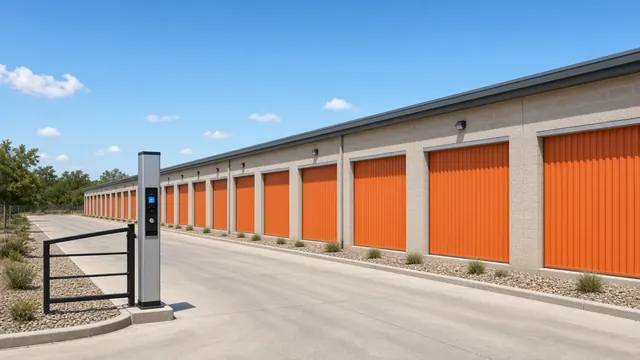
Buying a Self-Storage Facility in Houston: An Owner-Operator’s Due Diligence Checklist
What to verify before buying self-storage in Houston and Texas: occupancy, street vs. in-place rates, delinquency, management software data, lien history, supply and physical condition.

How Self-Storage Is Valued: NOI, Cap Rates and the Street-Rate Gap
A practical explanation of self-storage valuation for Houston and Texas owners: NOI, expense ratios, cap rates, management fees, upside from rate management and what buyers actually pay for.

Texas Self-Storage Lien Law: Chapter 59 Basics for Owners and Buyers
An overview of how Texas Property Code Chapter 59 governs self-storage liens, notices and sales, and why a facility’s lien process matters to buyers and lenders.

Let’s talk about your next deal.
Buying, selling, leasing or building: start with a 20-minute strategy call. No pressure, just a clear read on the market and your options.