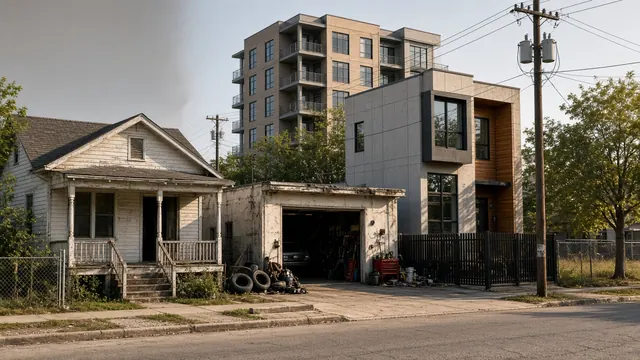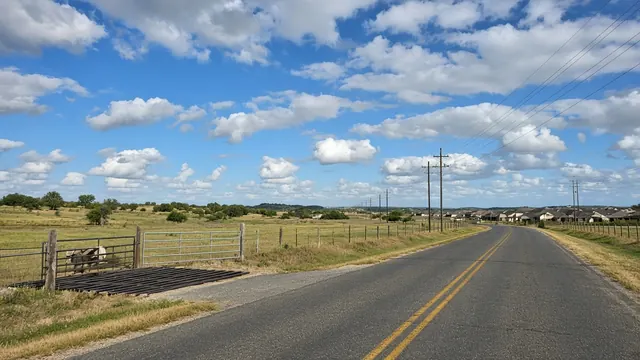

Drive the edges of Houston and you’ll see cattle grazing on land that will someday become a subdivision or shopping center. Many of those tracts carry an agricultural (open-space) valuation that dramatically lowers property taxes. When the land is developed, a rollback tax may come due.
This is general information; consult your tax advisor and the appraisal district for specifics.
“Ag exemption” is really a special valuation
What people call an “ag exemption” is usually special appraisal under the Texas Constitution and Tax Code, commonly “1-d-1” open-space valuation. Instead of market value, the land is taxed based on its productive agricultural value, which can be a small fraction of market value.
To qualify, land must be devoted principally to qualifying agricultural use to the degree of intensity typical in the area, with a history of such use. Appraisal districts publish guidelines.
What triggers a rollback
A change to a non-agricultural use (for example, starting development) can trigger an additional tax (rollback): the difference between taxes paid under ag valuation and taxes that would have been paid at market value for a lookback period. Texas shortened that lookback period and changed interest rules in 2021 legislation, so confirm current rules with the appraisal district.
Who pays?
Rollback liability is a negotiable contract item. Common approaches:
- The buyer pays if the buyer changes the use.
- The seller pays if the seller’s actions triggered it.
- The parties split it or adjust price.
The standard Texas unimproved property contract includes provisions addressing agricultural valuation and rollback; make sure the contract matches your intent.
Keeping the valuation
Buyers who plan to hold land for years before development may continue qualifying agricultural use (through grazing leases, hay production or other qualifying uses) to keep the valuation. A new owner may need to file a new application.
Wildlife management valuation
Land qualifying for ag valuation may be converted to wildlife management use under specific rules, which some owners use when grazing is impractical.
Frequently asked questions
Is an ag exemption the same as a homestead exemption?
No. Agricultural valuation is a special appraisal method based on productivity, not an exemption from tax.
Does a new owner keep the ag valuation?
Often, if qualifying use continues, but the new owner may need to file a new application.
Who pays rollback taxes when land is sold for development?
It’s negotiable. The contract should specify who pays if a change in use triggers rollback.
How we help
We help land buyers and sellers understand valuation status, model rollback exposure and structure contracts accordingly. Learn about our land practice.
Have a deal or question in mind?
Talk it through with Apurva. A 20-minute call is usually enough to know your next step.