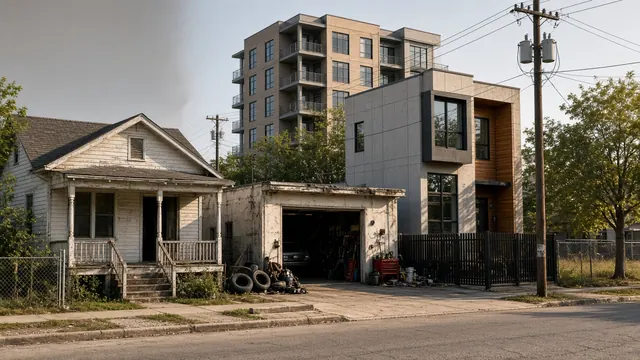
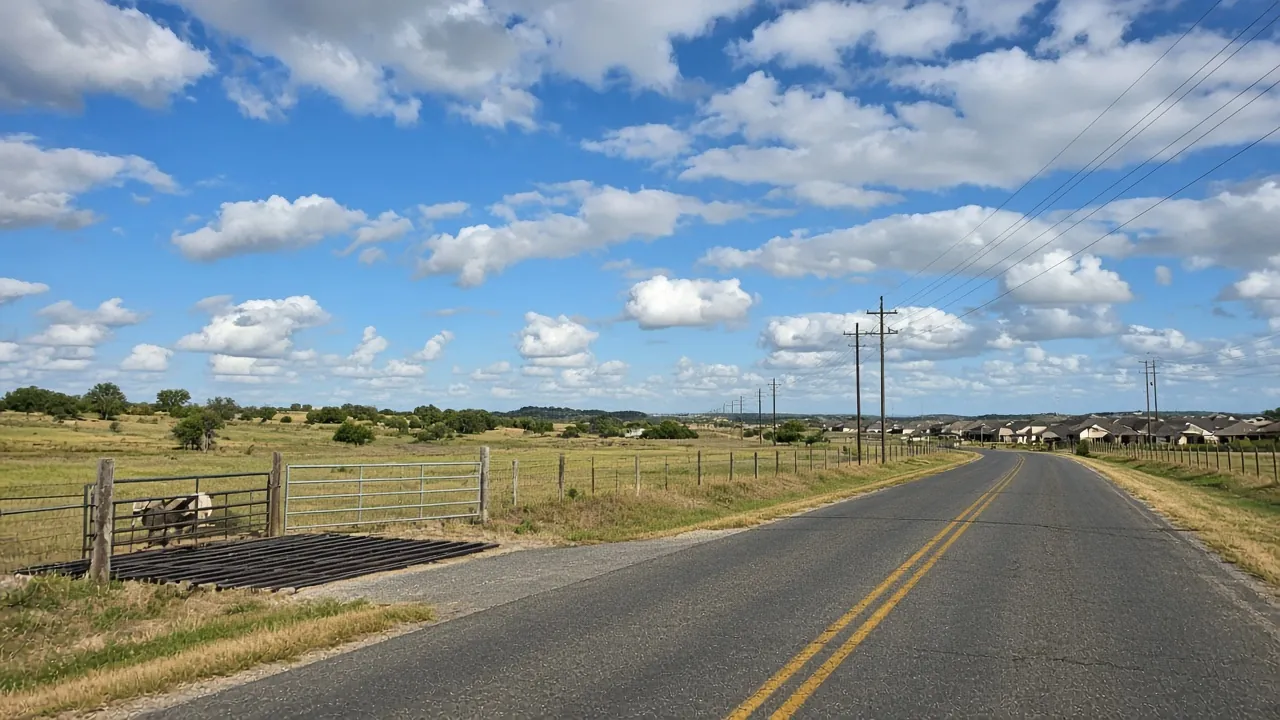
If you buy land outside a city’s limits in Texas, there is a good chance it sits inside that city’s extraterritorial jurisdiction (ETJ). ETJ status affects how land can be subdivided and developed, and recent legislation changed the rules.
This is general information; consult a Texas land use attorney about a specific property.
What is an ETJ?
An ETJ is an unincorporated area adjacent to a city’s limits where the city has certain regulatory authority, most importantly over subdivision platting. The size of the ETJ depends on the city’s population; larger cities such as Houston have ETJs extending several miles beyond their limits.
Cities generally cannot impose zoning in the ETJ, but platting authority lets them apply standards for lots, streets, drainage and utilities.
The 2023 change
Legislation passed in 2023 (commonly referred to as SB 2038) created processes for landowners in many ETJ areas to request release from a city’s ETJ by petition or election, subject to exceptions. The law took effect in September 2023 and has been the subject of litigation and further legislative attention, so confirm current status before relying on it.
Why release might matter
- Different platting requirements: land released from an ETJ may be governed primarily by county regulations.
- Development flexibility in some cases.
- Future annexation considerations.
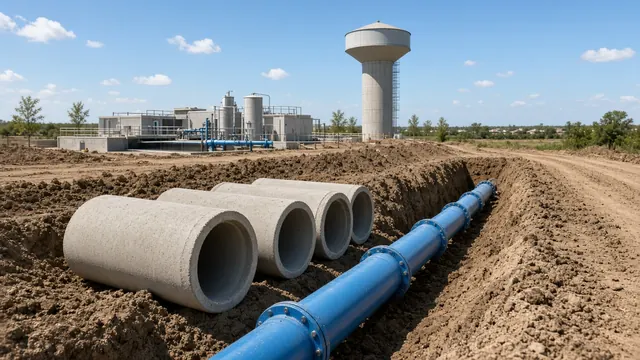
- Utility service: city utilities may not be available, so MUDs or private utilities become more important.
Why it might not
- County standards for drainage, roads and floodplains still apply.
- Lenders, builders and buyers may prefer the predictability of established rules.
- Releasing land may not change deed restrictions or practical utility constraints.
Diligence questions for any land purchase near Houston
- Is the property inside city limits, an ETJ, or neither?
- Which jurisdiction approves the plat?
- Has the property been released from an ETJ, or is a petition pending?
- Where will water and sewer come from?
- What drainage and detention standards apply?
Frequently asked questions
What does ETJ stand for?
Extraterritorial jurisdiction: an unincorporated area next to a city where the city has certain regulatory authority, mainly over platting.
Can I remove my land from an ETJ?
2023 legislation created petition and election processes for many landowners, subject to exceptions and ongoing legal developments.
Can a city zone land in its ETJ?
Generally no. Cities cannot apply zoning in the ETJ, but they can regulate subdivision platting.
How we help
We help land buyers and sellers understand jurisdiction and development pathways as part of acquisition diligence. Learn about our land and development practices, or read the land due diligence checklist.
Have a deal or question in mind?
Talk it through with Apurva. A 20-minute call is usually enough to know your next step.