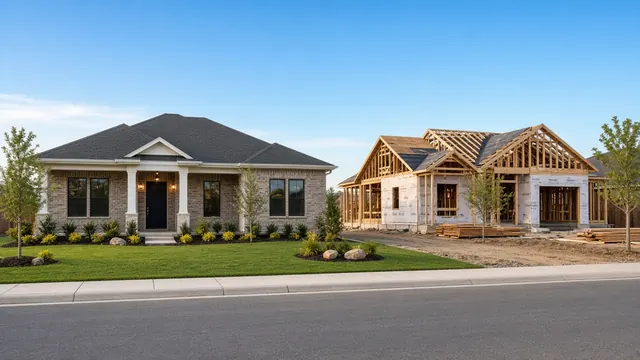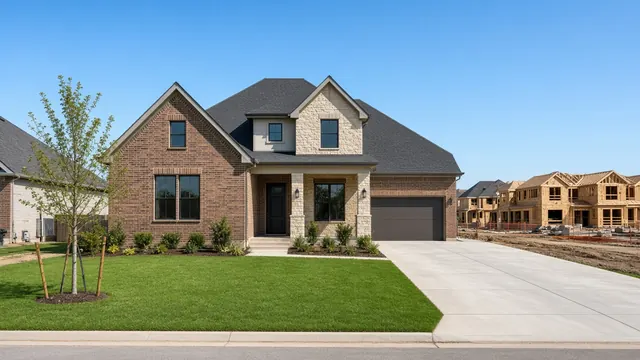

New-home prices in Houston are less fixed than the sign at the model home suggests. Builders manage inventory, quarter-end targets and community sell-out schedules, and they use incentives to move homes without cutting the posted base price that sets comparables for the rest of the community.
The key is knowing which levers exist, when builders are most flexible, and how to compare offers that are packaged very differently.
The common incentive types
- Closing-cost credits: the builder pays some or all of your closing costs.
- Rate-related incentives: often tied to the builder’s affiliated or preferred lender. These can be valuable, but compare them using the full loan estimate, not just the headline.
- Design-center or upgrade allowances: dollars toward flooring, cabinets, appliances or structural options.
- Price reductions: most common on completed or nearly completed inventory homes.
- Lot premium waivers: reductions on premium lots (cul-de-sacs, greenbelts, water views).
- Included features: window coverings, refrigerators, fencing or landscaping upgrades.
When builders are most flexible
- Completed inventory homes. Every month a finished home sits unsold costs the builder carrying costs. Spec homes near completion usually offer the deepest incentives.
- Quarter-end and year-end. Public and large private builders track closings by period.
- Phase close-outs. When a builder is finishing a section or exiting a community.
- Slower seasons. Late fall and winter often bring stronger incentives than spring.
Compare the whole package
A $20,000 closing-cost credit, a $25,000 upgrade allowance and a $15,000 price reduction are not equal, even though the first two look bigger. Price reductions lower your loan amount, property tax base and future appraisal comparisons. Upgrade allowances are only as valuable as the upgrades you would actually pay for, and design-center pricing is often higher than aftermarket pricing.
Rate-related incentives deserve special care. Ask for an official Loan Estimate from the builder’s lender and from at least one outside lender, then compare total cost over the period you expect to keep the loan. You are never required to use the builder’s lender, though the incentive may depend on it.
What builders rarely negotiate
Base prices on to-be-built homes in a fast-selling phase, and anything that would set a visibly lower comparable sale for the community. That is why incentives are often structured as credits rather than price cuts.
A negotiation sequence that works
- Get pre-approved and know your budget.
- Short-list communities and inventory homes that fit.
- Ask each builder for their current incentive sheet and timeline.
- Request incentives in writing with expiration dates.
- Compare offers on total cost and long-term value.
- Negotiate for the combination that matters most to you.
Frequently asked questions
When do Houston builders offer the best incentives?
Usually on completed inventory homes, near quarter- and year-end, during phase close-outs and in slower seasons.
Should I take a closing-cost credit or a price reduction?
Price reductions lower your loan amount and tax base; credits reduce cash to close. The better option depends on your cash position and long-term plans.
Do I have to use the builder’s lender to get incentives?
Some incentives are tied to the builder’s lender, but you are never required to use any particular lender. Compare official Loan Estimates.
How we help
We track incentives across builders and communities, structure offers to maximize real value, and help you compare lender options side by side. Explore our new construction buyer program.
Have a deal or question in mind?
Talk it through with Apurva. A 20-minute call is usually enough to know your next step.