Real estate investors often focus on purchase price, financing and NOI. But after-tax returns can be shaped significantly by depreciation, and cost segregation is one of the main tools for accelerating it.
We are not tax advisors. Discuss cost segregation with your CPA.
What cost segregation is
Commercial buildings are generally depreciated over 39 years (27.5 years for residential rental property). A cost segregation study, typically prepared by engineers or specialists, identifies components of a property that qualify for shorter recovery periods, for example, certain personal property and land improvements that may be depreciated over 5, 7 or 15 years.
Accelerating depreciation can reduce taxable income in early years of ownership.
Bonus depreciation
Certain shorter-life assets may qualify for bonus depreciation, allowing a large portion to be deducted in the first year. Bonus depreciation rules have changed several times, including federal legislation in 2025 that restored 100% bonus depreciation for qualifying property acquired after a specified date. Confirm current rules with your CPA.
Which properties benefit
Cost segregation can be especially relevant for:
- Self-storage, with significant site improvements, paving, fencing and gates.
- Retail and strip centers, with parking lots, lighting and tenant improvements.
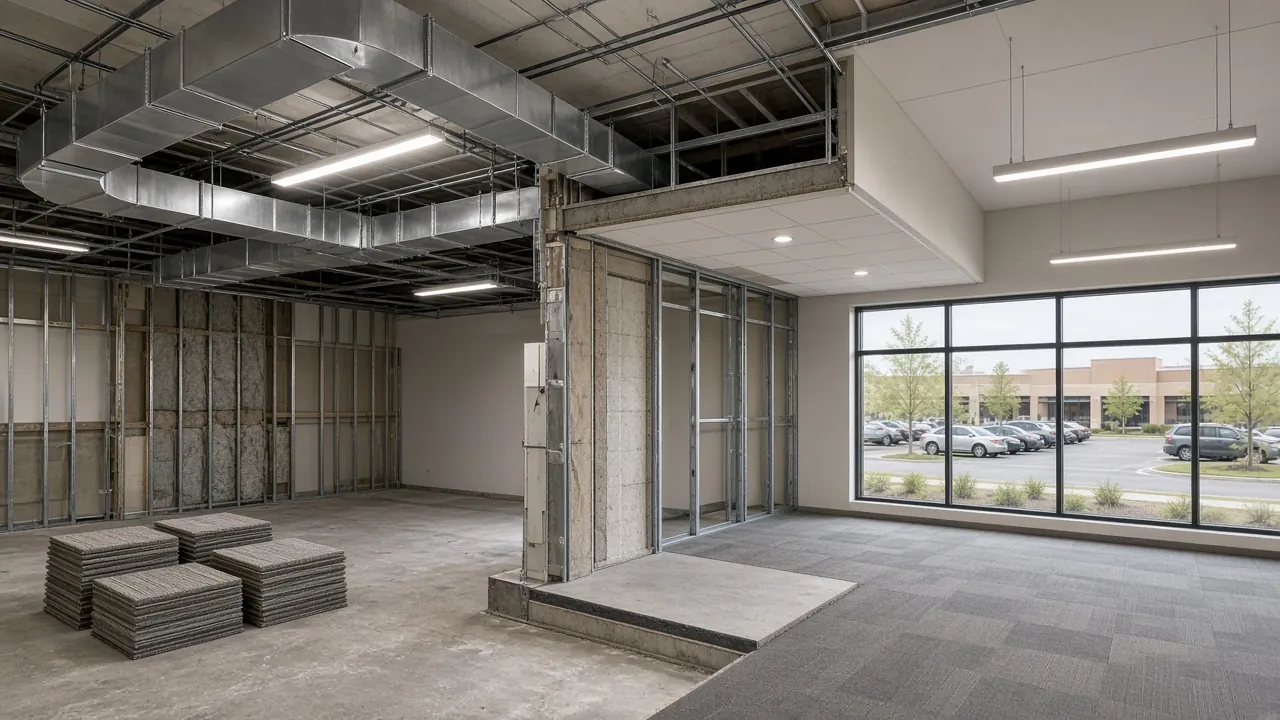
- Medical office, with specialized build-outs.
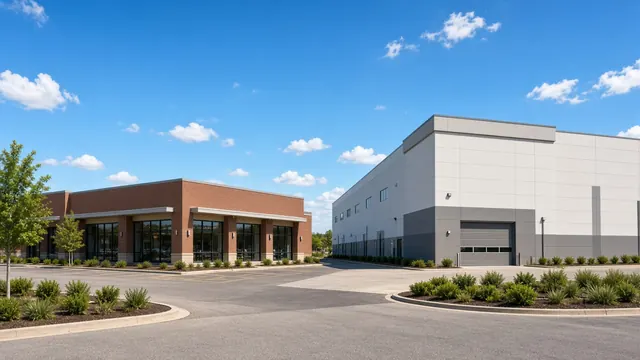
- Industrial and flex, with site work and specialized systems.
- Car washes, with significant equipment and site improvements.
Considerations
- Recapture: accelerated depreciation may be recaptured when you sell, though 1031 exchanges can defer it. See our 1031 guide.
- Passive activity rules may limit the use of losses for some investors.
- Study cost relative to benefit.
- Timing: studies can sometimes be done in later years with look-back adjustments.
Frequently asked questions
Is cost segregation worth it for small properties?
It depends on the property’s cost basis and components relative to the study cost. Ask your CPA.
Can I do a cost segregation study after I bought the property?
Often yes, with look-back adjustments. Discuss with your CPA.
Does accelerated depreciation get recaptured?
Depreciation may be recaptured on sale, though a 1031 exchange can defer it.
How we help
We don’t prepare tax studies, but we help investors identify asset types and properties where after-tax returns deserve attention, and we coordinate with your CPA. Learn about our investor services.
Have a deal or question in mind?
Talk it through with Apurva. A 20-minute call is usually enough to know your next step.