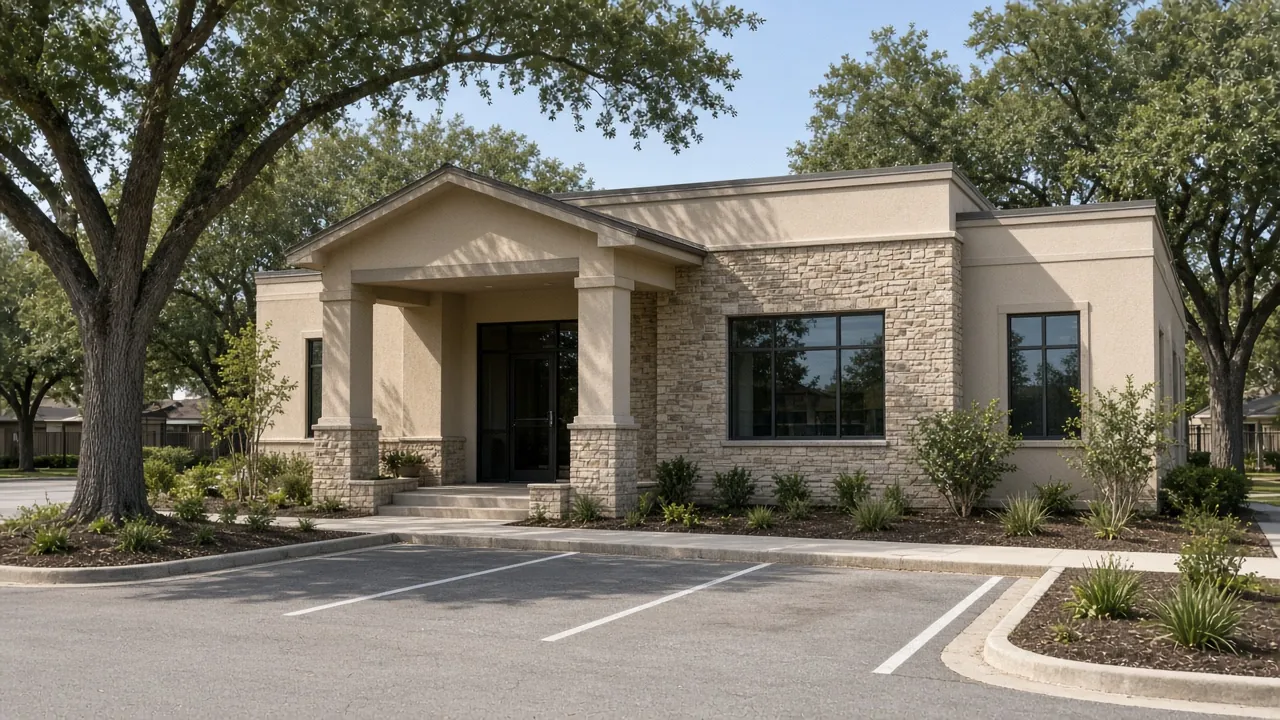
For many Houston business owners, the most valuable investment they will ever make is the building they operate from. The U.S. Small Business Administration’s 504 loan program was designed for exactly that purpose. Here is how it works at a high level. (This is general information, not a loan offer; program rules change, so confirm details with an SBA lender.)
What the SBA 504 program is
The 504 program finances fixed assets (primarily real estate and major equipment) for small businesses that will occupy the property. A typical structure has three pieces:
- A first lien from a bank or lender, commonly around 50% of the project cost.
- A second lien from a Certified Development Company (CDC), backed by the SBA, commonly around 40%.
- The borrower’s equity, commonly around 10%, often higher for start-ups or special-purpose properties.
Owner-occupancy requirements
For an existing building, the business generally must occupy at least 51% of the rentable space. For new construction, the requirement is generally higher (60% at purchase, with plans to occupy more over time). You may lease the remaining space to other tenants.
What it can finance
- Purchase of an existing building.
- Construction of a new building or major renovation.
- Land and site improvements.
- Certain long-life equipment.
504 vs. 7(a)
The SBA 7(a) program is more flexible and can include working capital and business acquisition costs alongside real estate, but it has different loan limits and structures. Many owner-users compare both with their lender.
Why it works well in Houston right now
Pricing on many small and mid-size office, medical and flex buildings has adjusted. Combining a reasonably priced building with long-term, owner-occupied financing can make ownership compelling compared with renewing a lease. Read about the Houston office owner-user opportunity.
The process, step by step
- Pre-qualify with an SBA lender using business financials and tax returns.
- Define your space needs and target submarkets.
- Identify and underwrite properties: systems, parking, code compliance, floodplain and taxes.
- Negotiate a contract with a feasibility period long enough for appraisal, environmental and lender review.
- Order third-party reports: appraisal, Phase I environmental site assessment, survey and, often, a property condition report.
- Close with the bank first lien and interim financing of the CDC portion, which is later funded through an SBA debenture.
Common pitfalls
- Contracts with feasibility periods too short for SBA timelines.
- Underestimating build-out costs for medical or specialized uses.
- Ignoring property tax reassessment after purchase.
- Buying more building than the business can occupy or lease.
Frequently asked questions
How much down payment is needed for an SBA 504 loan?
Commonly around 10%, often more for start-ups or special-purpose properties. Confirm with an SBA lender.
Can I lease part of an SBA-financed building to tenants?
Yes, as long as you meet the owner-occupancy requirement, generally 51% for existing buildings.
Can SBA 504 be used for medical or industrial buildings?
Yes. Owner-occupied medical, industrial and flex properties commonly use SBA financing.
How we help
We help owner-users find buildings that fit both the business and SBA requirements, structure contracts to match lender timelines, and coordinate with lenders and CPAs. Learn more about our office, medical office and industrial practices.
Have a deal or question in mind?
Talk it through with Apurva. A 20-minute call is usually enough to know your next step.