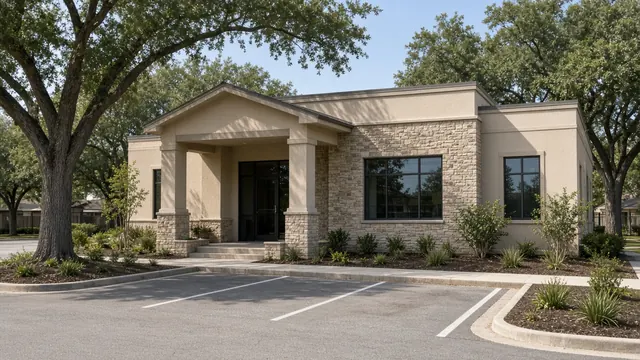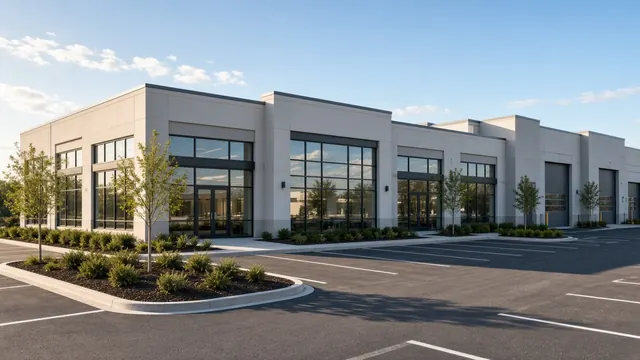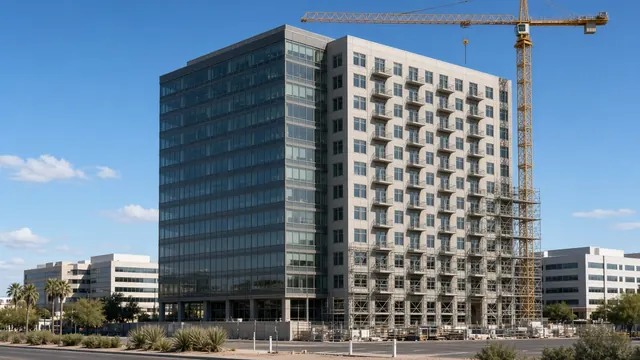
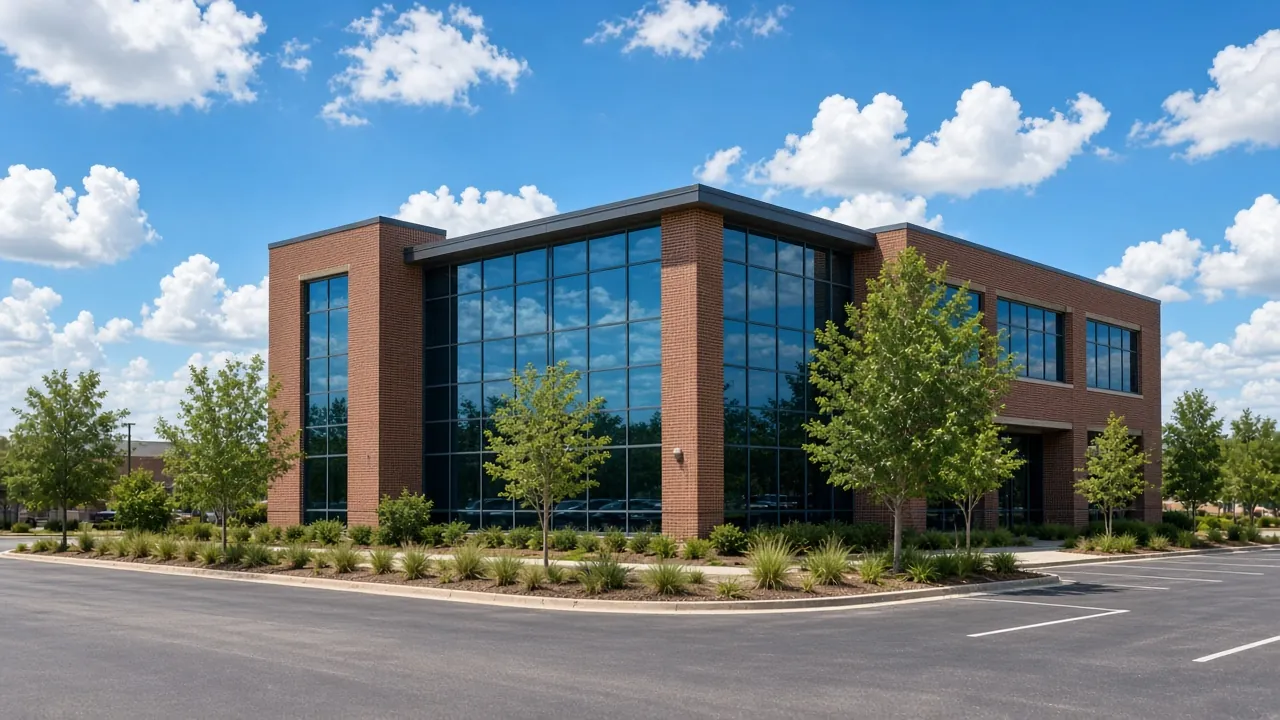
Headlines about Houston office vacancy have been grim for years. The city’s energy-heavy economy, remote and hybrid work, and a large inventory of older buildings have left vacancy elevated across many submarkets. But averages hide the real story: the market has split.
A bifurcated market
At the top, newer and well-amenitized buildings in strong locations continue to attract tenants, and some trophy assets lease well. At the bottom, older commodity buildings with dated systems, poor parking or weak locations face long vacancy and pressure on values. In between sits a large number of small and mid-size buildings whose pricing has reset.
That reset is where owner-users come in.
Why owner-users benefit
Pricing is more rational
Many small and mid-size office buildings, the kind a law firm, medical group, engineering firm, CPA practice or insurance agency might occupy, now trade at prices that make ownership competitive with leasing.
Ownership fixes your occupancy cost
Leasing exposes a business to rent increases, relocation risk and landlord decisions. Owning (with fixed-rate financing) converts much of that cost into a predictable payment that builds equity.
SBA financing favors owner-users
The SBA 504 and 7(a) programs allow qualifying owner-occupants to purchase with relatively low down payments and long amortization. See our SBA 504 office building guide.
Leasing out extra space
Buy more space than you need and lease the rest to subsidize your occupancy cost, while preserving room to grow.
Submarkets to consider
Owner-users often look at Galleria/Uptown, Westchase, the Energy Corridor, Greenway Plaza, the Katy Freeway, Sugar Land, The Woodlands, Northwest Houston and Clear Lake, but the right submarket depends on where employees and clients are.
Diligence that matters most
- Building systems: roof, HVAC, elevators and electrical, the big-ticket capital items.
- Parking: many older buildings are under-parked for modern use.
- Code and accessibility: ADA compliance and life-safety systems.
- Floodplain and flood history.
- Existing leases: if you buy a partially leased building, understand rollover and tenant credit.
- Property taxes: appraisal history and the potential for reassessment after sale.
The investor angle
For investors, distress in commodity office can create value-add opportunities, including repositioning and adaptive reuse. But turning around a vacant building requires capital, leasing expertise and patience. See our piece on office-to-residential conversions.
Frequently asked questions
Is buying an office building cheaper than leasing in Houston?
It can be for stable businesses planning to stay long-term, especially with SBA financing. Run a lease-versus-buy analysis with your CPA.
Which Houston submarkets are best for owner-users?
It depends on where employees and clients are. Westchase, the Energy Corridor, Galleria, Katy Freeway, Sugar Land and The Woodlands are common.
What should I inspect when buying an older office building?
Roof, HVAC, elevators, electrical, parking, ADA compliance, floodplain and property tax history.
How we help
We help owner-users find, underwrite and negotiate office buildings and model lease-versus-buy scenarios with your CPA. Learn more about our Houston office practice.
Have a deal or question in mind?
Talk it through with Apurva. A 20-minute call is usually enough to know your next step.