When office vacancy rises, a natural question follows: why not turn empty offices into apartments? Conversions can work, and several U.S. cities have encouraged them, but most office buildings are poor candidates. Here’s how we think about adaptive reuse in Houston.
Why most buildings don’t pencil
Floor plate depth
Apartments need windows. Many office buildings have deep floor plates with large interior areas far from glass. Those interior areas are hard to turn into livable units without cutting light wells or atriums, expensive structural work.
Plumbing and mechanical systems
Office buildings concentrate plumbing in a few core restrooms. Residential units need kitchens and bathrooms throughout the floor. Re-plumbing a building is a major cost.
Code and life safety
Residential occupancy brings different requirements for egress, fire separation, sprinklers and accessibility.
Acquisition basis
Conversion only works if the building can be purchased cheaply enough. Owners with debt above current value may not be willing or able to sell at a price that supports conversion.
What makes a good candidate
- Narrower floor plates and good window lines, often older, smaller buildings.
- Desirable residential locations: walkable areas with amenities, near employment centers.
- Historic or architectural character that supports premium rents and may unlock historic tax credits.
- Manageable size so the project can be financed and leased up.
Alternatives to apartments
Not every conversion has to be residential. Office buildings in Houston have been or could be repositioned as:
- Medical office, especially near hospital systems and growing suburbs.
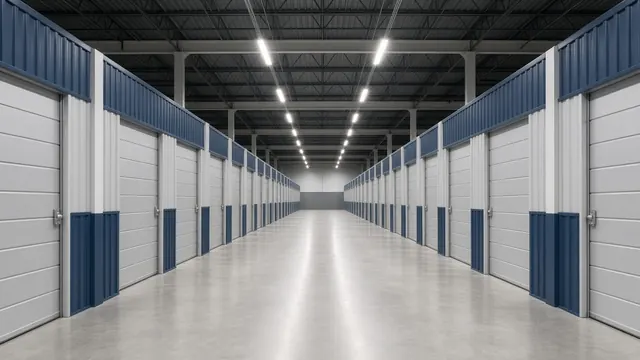
- Self-storage (for certain low-rise or suburban buildings with suitable structure and access). See converting buildings to self-storage.
- Flex or creative office for smaller users.
- Education, lab or civic uses.
- Land value plays, where the highest and best use is demolition and redevelopment.
Houston’s no-zoning advantage
The City of Houston has no traditional zoning, which removes one major obstacle to changing use, though deed restrictions, building codes, parking and development ordinances still apply. Suburban cities in the region do have zoning. Read Houston no zoning explained.
Frequently asked questions
Are office-to-apartment conversions happening in Houston?
Some conversions have been explored and completed, but most office buildings are poor candidates because of floor plate depth, plumbing and cost.
Does Houston’s lack of zoning help conversions?
It removes rezoning as a hurdle inside city limits, but codes, deed restrictions and parking rules still apply.
What else can an obsolete office building become?
Medical office, self-storage, flex space, education uses or a redevelopment site, depending on structure and location.
How we help
We evaluate office buildings for investors weighing repositioning, conversion or redevelopment, and we coordinate the architects, engineers and lenders needed to test feasibility. Learn about our office and development practices.
Have a deal or question in mind?
Talk it through with Apurva. A 20-minute call is usually enough to know your next step.