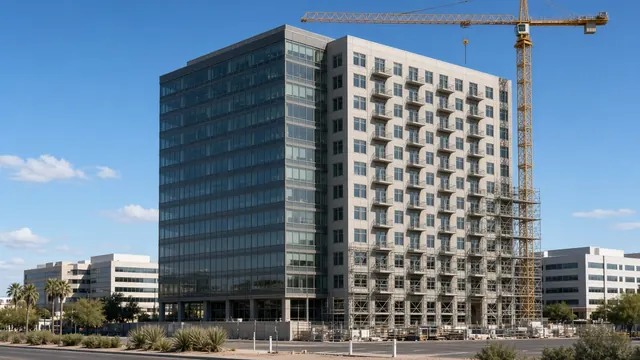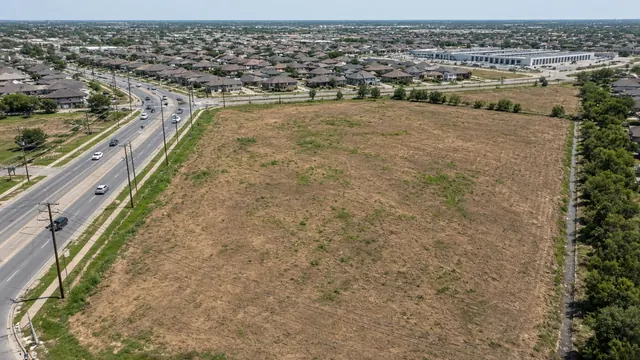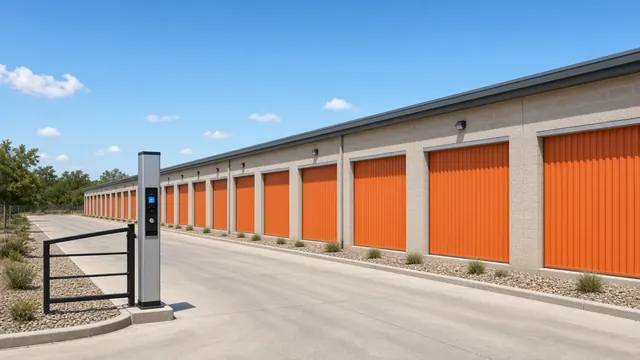
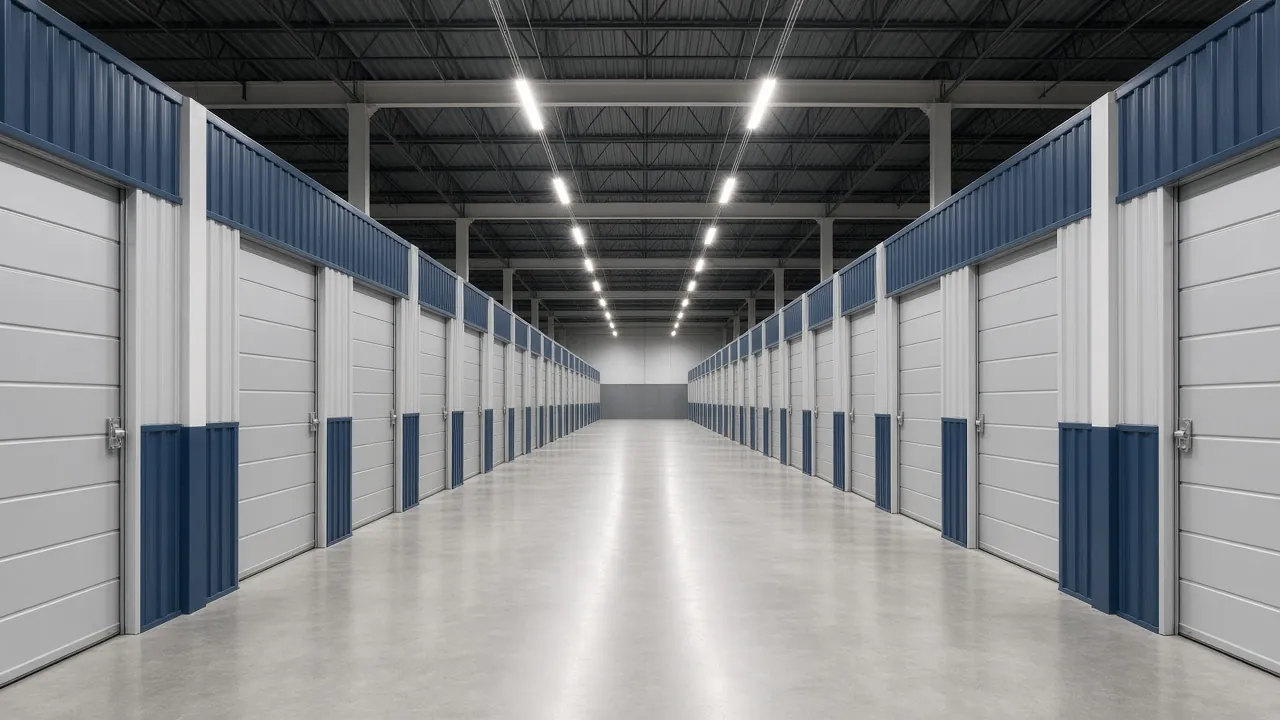
Some of the most interesting self-storage projects aren’t new buildings at all. Vacant big-box stores, obsolete suburban office buildings and older light-industrial buildings can become climate-controlled storage, often faster and sometimes cheaper than ground-up construction.
Why conversions appeal
- Speed: the building shell and site work already exist.
- Location: retail and office buildings often sit on visible, accessible corridors.
- Entitlement: in some cases, changing use is easier than permitting a new building.
- Cost: acquisition prices for obsolete buildings may be attractive.
What makes a good candidate
Structure
Clear heights that allow mezzanines, floor-load capacity, column spacing that supports efficient unit layouts, and a roof in good condition.
Access and loading
Customers need convenient loading, ideally covered loading areas, multiple entries and elevators for multi-story buildings.
Visibility
Storage depends on drive-by awareness and online search. A visible building with signage rights is a major asset.
Parking and circulation
Less parking is needed than for retail or office, but truck and trailer circulation matters.
Floodplain and drainage
Lower-level units are vulnerable to water. Understand the building’s flood history.
Legal and regulatory checks
- Deed restrictions and reciprocal easement agreements in shopping centers frequently prohibit storage.
- Zoning in suburban cities may require approvals.
- Building codes for change of occupancy, fire protection and accessibility.
The City of Houston has no traditional zoning, which can simplify conversions inside city limits, but deed restrictions still govern many properties. Read Houston no zoning explained.
Economics
Compare total project cost (acquisition plus conversion) per net rentable square foot with new construction and with buying an existing facility. Then model lease-up against the trade area’s supply. See self-storage feasibility.
Frequently asked questions
Is converting a building to self-storage cheaper than building new?
Sometimes. It depends on acquisition price, structure and the cost of mezzanines, elevators and climate control.
What buildings convert best to self-storage?
Buildings with good visibility, clear height for mezzanines, adequate floor loads and convenient loading.
What is the biggest legal obstacle?
Deed restrictions and reciprocal easement agreements in shopping centers frequently prohibit storage.
How we help
We identify conversion candidates, review deed restrictions and model storage economics. Learn about our self-storage practice.
Have a deal or question in mind?
Talk it through with Apurva. A 20-minute call is usually enough to know your next step.