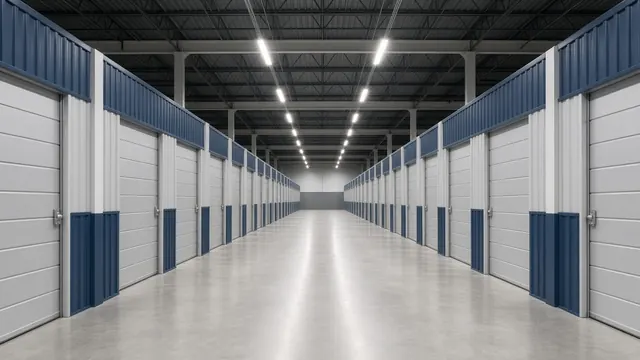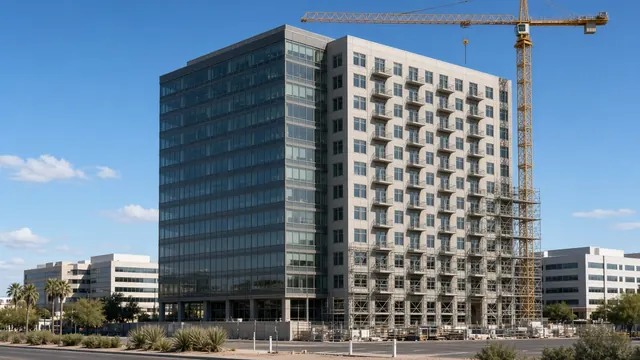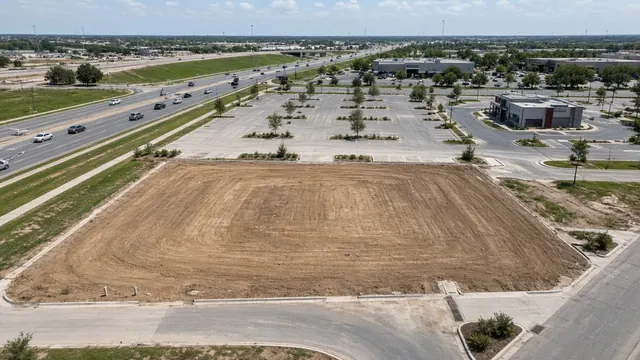
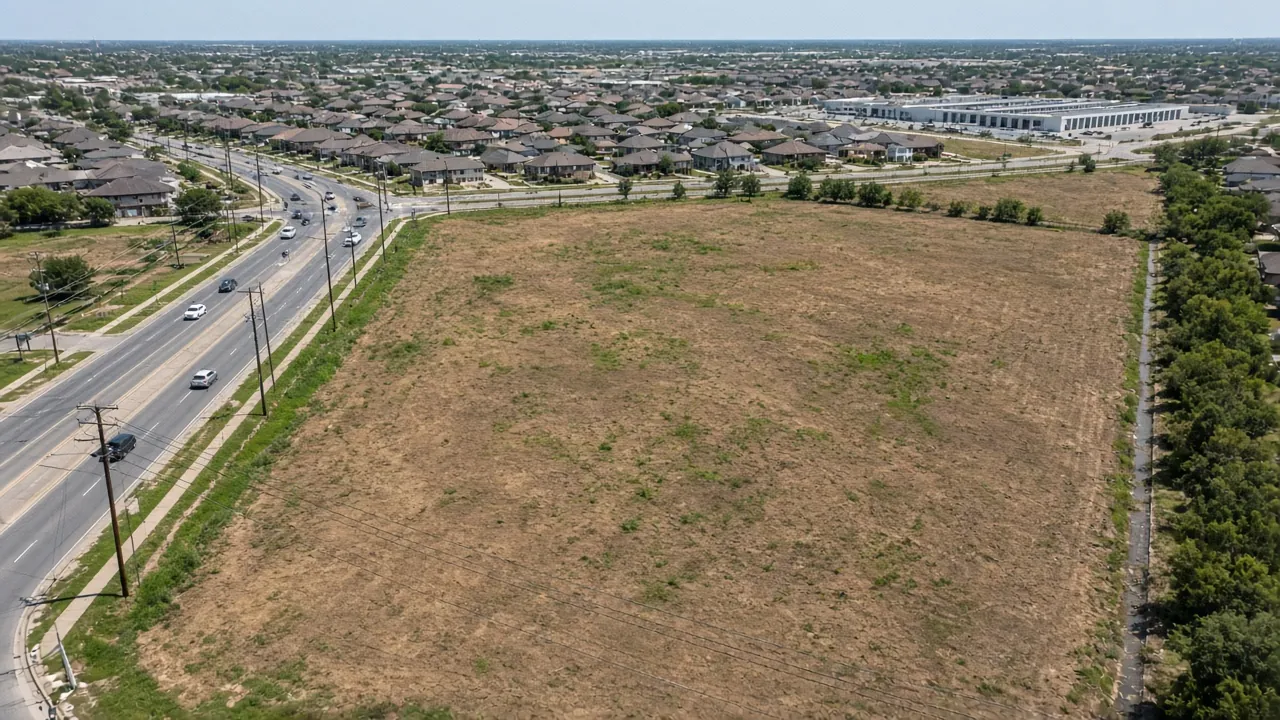
Self-storage development looks straightforward on paper. In practice, the projects that succeed are the ones that did their homework on supply, site and timing before closing on the land.
Step 1: Define the trade area
Most self-storage customers live or work within a few miles of the facility. Feasibility studies typically examine three- and five-mile rings (smaller in dense urban areas, larger in rural markets).
Step 2: Measure supply
Count existing rentable square feet in the trade area, plus facilities under construction, permitted or proposed. Calculate square feet per capita and compare to regional benchmarks. Remember that per-capita figures are only a starting point. Demand depends on housing type, income, growth and mobility.
Step 3: Understand demand drivers
- Population and household growth: new rooftops are the strongest driver.
- Apartments and townhomes, whose residents often need storage.
- Life events: moves, marriages, divorces, downsizing.
- Business users: contractors, e-commerce sellers, pharmaceutical reps.
- Vehicle and boat storage, in suburban and lake areas.
Step 4: Evaluate the site
- Visibility and access from a major road.
- Size and shape for an efficient building layout.
- Deed restrictions that may prohibit storage. Some suburban cities restrict storage through zoning.
- Utilities and detention requirements, which can consume a meaningful share of a small site.
- Floodplain, which affects both construction cost and insurance.
Step 5: Choose the product
Multi-story climate-controlled buildings suit dense, higher-income areas. Single-story drive-up with some climate-controlled units suits suburban and rural markets. Vehicle and RV storage can be a strong add-on on the periphery.
Step 6: Model construction and lease-up
Construction costs, financing and the time it takes to reach stabilized occupancy determine returns. Lease-up often takes several years. Model conservatively, especially in trade areas with new supply.
Step 7: Plan operations
Online rentals, management software, rate management and staffing decisions affect performance from day one.
Conversion as an alternative
Converting existing buildings (former big-box retail, light industrial or obsolete office) can be faster than ground-up development. See converting buildings to self-storage.
Frequently asked questions
How big is a self-storage trade area?
Often three to five miles, smaller in dense areas and larger in rural areas.
How long does self-storage lease-up take?
Lease-up commonly takes several years, depending on supply, demand and marketing.
Can deed restrictions prohibit self-storage?
Yes. Many commercial deed restrictions and shopping center agreements restrict storage uses.
How we help
We evaluate storage development sites, coordinate feasibility and help investors acquire land or existing facilities. Learn about our self-storage and development practices.
Have a deal or question in mind?
Talk it through with Apurva. A 20-minute call is usually enough to know your next step.