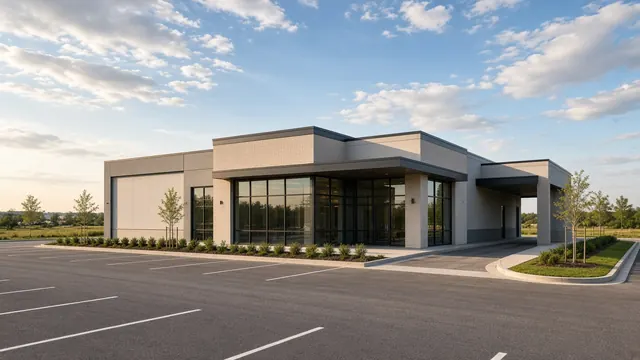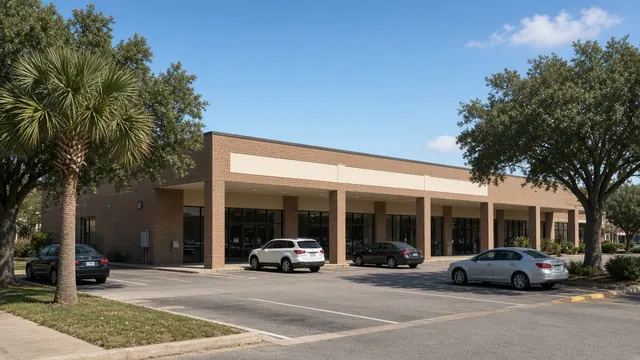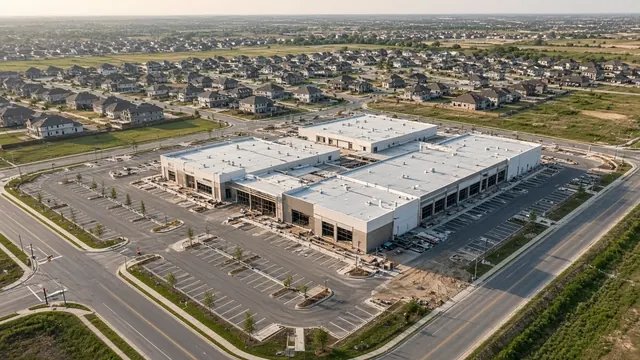
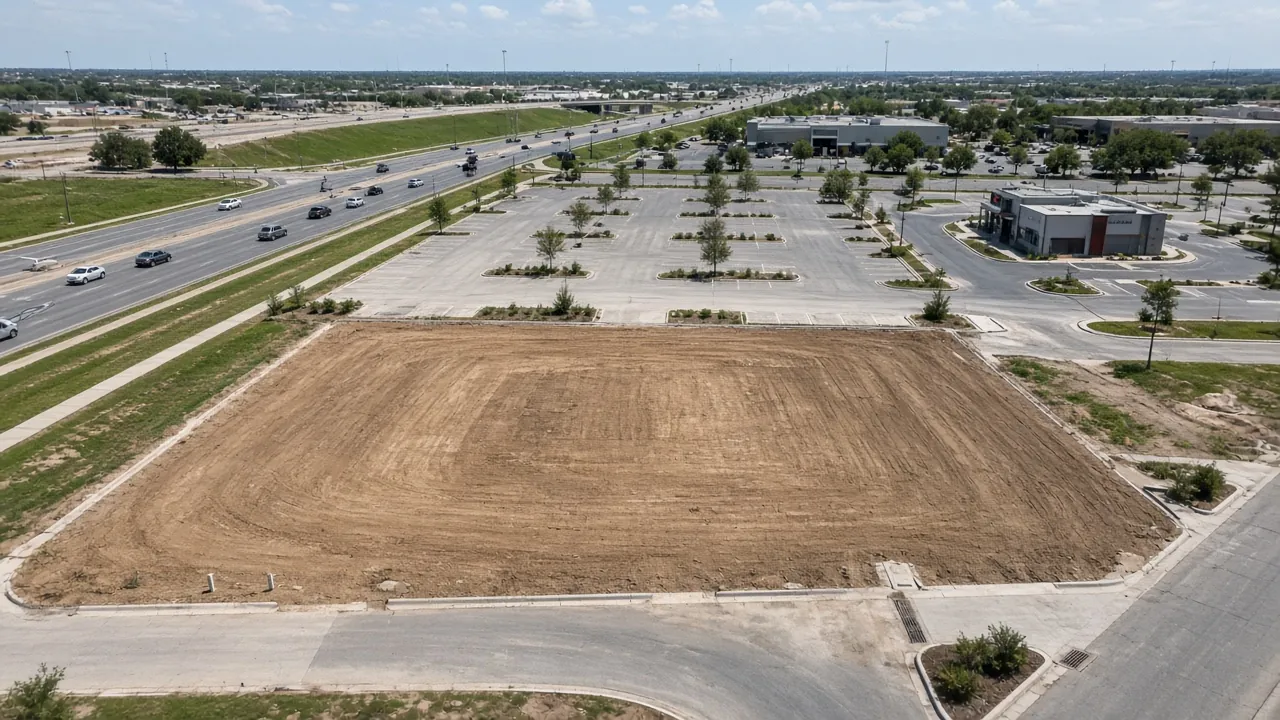
Drive any growing Houston corridor and you’ll see them: small, freestanding buildings in front of shopping centers or on hard corners: coffee drive-thrus, quick-service restaurants, banks, urgent care, auto service, fuel stations. These pad sites are some of the most valuable small parcels in retail real estate.
What makes a strong pad site
- Visibility and traffic counts on the main road.
- Access: curb cuts, median openings and signalized intersections.
- Drive-thru stacking room for QSR and coffee users.
- Co-tenancy: proximity to anchors and daily-needs retail.
- Demographics: nearby rooftops, daytime population and income.
- Utility availability and detention solutions.
Sell, lease the building, or ground lease?
Sale
The landowner sells the pad to an operator or developer. Simple and immediate, but the owner gives up future income.
Build-to-suit lease
The landowner or developer builds the building and leases it to the operator. Higher rent, but the landlord takes on construction cost and risk.
Ground lease
The operator leases only the land and builds its own building. The landowner collects rent with minimal management, typically for a long initial term with extension options. At the end of the lease, improvements often revert to the landowner.
Ground leases to strong credit tenants are prized by investors because they combine durable income with land ownership.
What landowners should negotiate in a ground lease
- Term and options, including rent during option periods.
- Rent escalations, often fixed bumps every five years.
- Use restrictions and exclusives that might affect the rest of the center.
- Reversion of improvements at expiration.
- Leasehold financing provisions that let the tenant finance without jeopardizing your fee interest.
- Taxes, insurance and maintenance responsibilities.
- Default remedies and guarantees.
Valuation
Ground leases are valued on the income stream, tenant credit, rent bumps and remaining term, and on the underlying land value. Investors often accept lower yields for ground leases than for leased buildings because the landlord has less risk.
Houston considerations
- Detention requirements can consume part of a small site.
- TxDOT access permits and future road widening can change access.
- Deed restrictions and center-wide REAs (reciprocal easement agreements) may limit uses.
- Fuel and auto uses require environmental diligence.
Frequently asked questions
Is it better to sell or ground lease a pad site?
Selling provides immediate capital; ground leasing creates long-term income and retains land ownership. The right answer depends on goals and taxes.
How long are ground leases?
Often long initial terms with multiple extension options, especially for credit tenants.
What happens to the building at the end of a ground lease?
Many leases provide that improvements revert to the landowner. Terms vary.
How we help
We help landowners structure pad sales and ground leases and help operators find sites that fit. We have also evaluated ground-lease conversion scenarios on our own property. Learn about our retail and land practices.
Have a deal or question in mind?
Talk it through with Apurva. A 20-minute call is usually enough to know your next step.