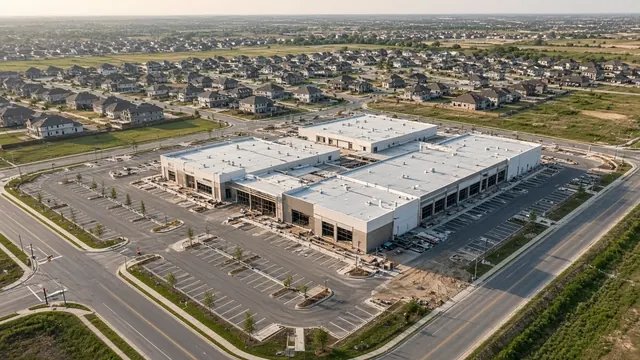
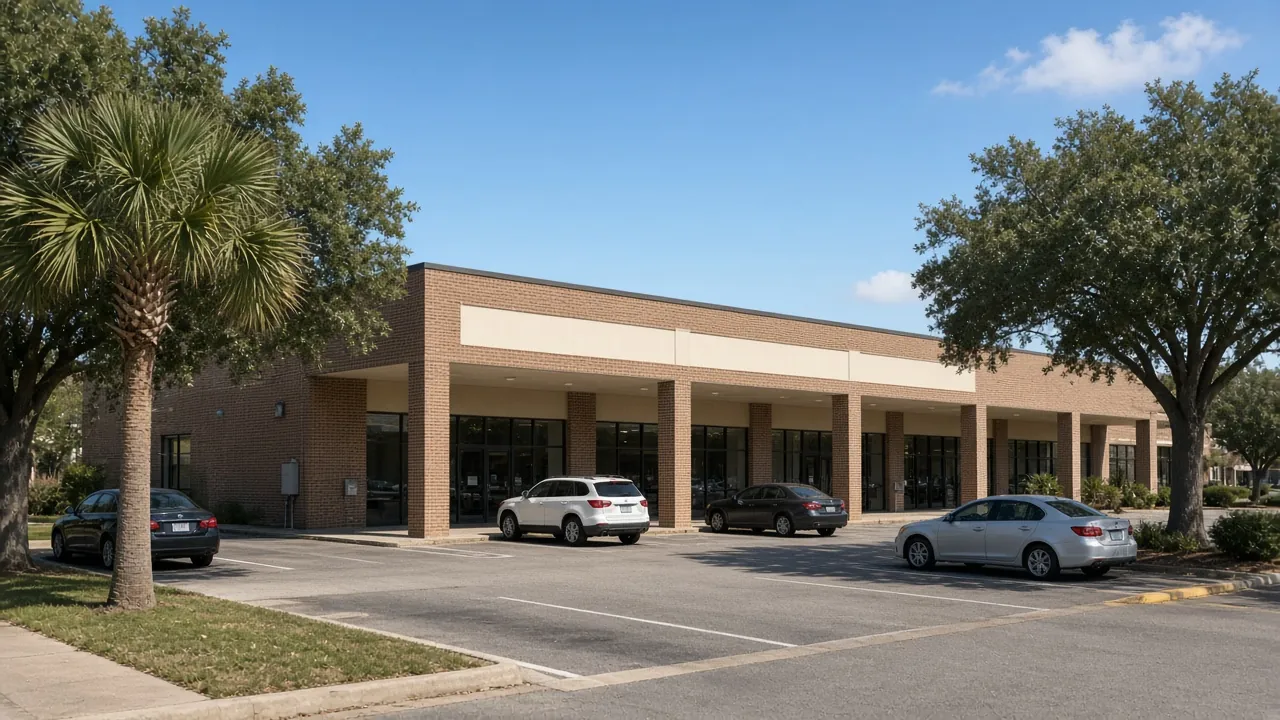
Neighborhood strip centers are one of Houston’s most common commercial property types. They serve daily needs (food, nail and hair salons, medical and dental, insurance, fitness, cleaners, convenience retail) and often perform steadily through cycles.
They also reward careful underwriting. Two centers with the same occupancy and cap rate can be very different investments.
1. The rent roll
Start with every lease and an accurate rent roll. Confirm:
- Base rent, escalations and expiration dates.
- Options and their rent terms.
- Security deposits and guarantees.
- Any free rent, concessions or side letters.
- Exclusive-use clauses that limit future leasing.
Request estoppel certificates from tenants before closing.
2. Tenant mix and credit
Service-oriented tenants tend to be resistant to e-commerce. A center with a strong anchor or drive-thru pad may draw traffic for smaller tenants. Look at how long tenants have been there and whether they are growing.
3. Expense recovery
Most strip center leases pass through some or all common area maintenance (CAM), taxes and insurance. Review CAM reconciliations for the past several years. Under-recovered expenses are both a risk and an opportunity.
4. Mark-to-market
Compare in-place rents to market rents. Below-market leases expiring soon can be an upside; above-market leases can be a risk.
5. Rollover risk
If many leases expire in the same year, vacancy can spike. Stagger matters.
6. Physical condition
Roof, parking lot, HVAC units (often tenant responsibility, but check), façade and signage. Capital reserves should reflect reality.
7. Location
Traffic counts, visibility, access (including median cuts), surrounding rooftops and competing centers. In Houston, centers in the path of new residential growth often benefit as communities mature. See our retail growth corridors piece.
8. Houston-specific risks
- Floodplain and flood history.
- Property tax trajectory and protest history.
- Environmental concerns from former dry cleaners or gas stations.
- Insurance costs, which have risen across the Gulf Coast.
Value-add plays
Common value-add strategies include leasing vacancy, improving CAM recovery, re-tenanting below-market spaces, adding pad sites and refreshing façades and signage.
Frequently asked questions
What is a good occupancy rate for a strip center?
Stabilized centers often run at high occupancy, but quality of tenants and lease terms matter as much as the percentage.
What are estoppel certificates?
Tenant-signed statements confirming lease terms, rent and defaults, typically required before closing.
How do CAM charges work?
Tenants reimburse a share of common area maintenance, taxes and insurance under their leases. Reconciliations compare estimates with actual costs annually.
How we help
We underwrite strip centers for buyers and position them for sale for owners, including 1031 exchange buyers. Learn about our Houston retail practice.
Have a deal or question in mind?
Talk it through with Apurva. A 20-minute call is usually enough to know your next step.