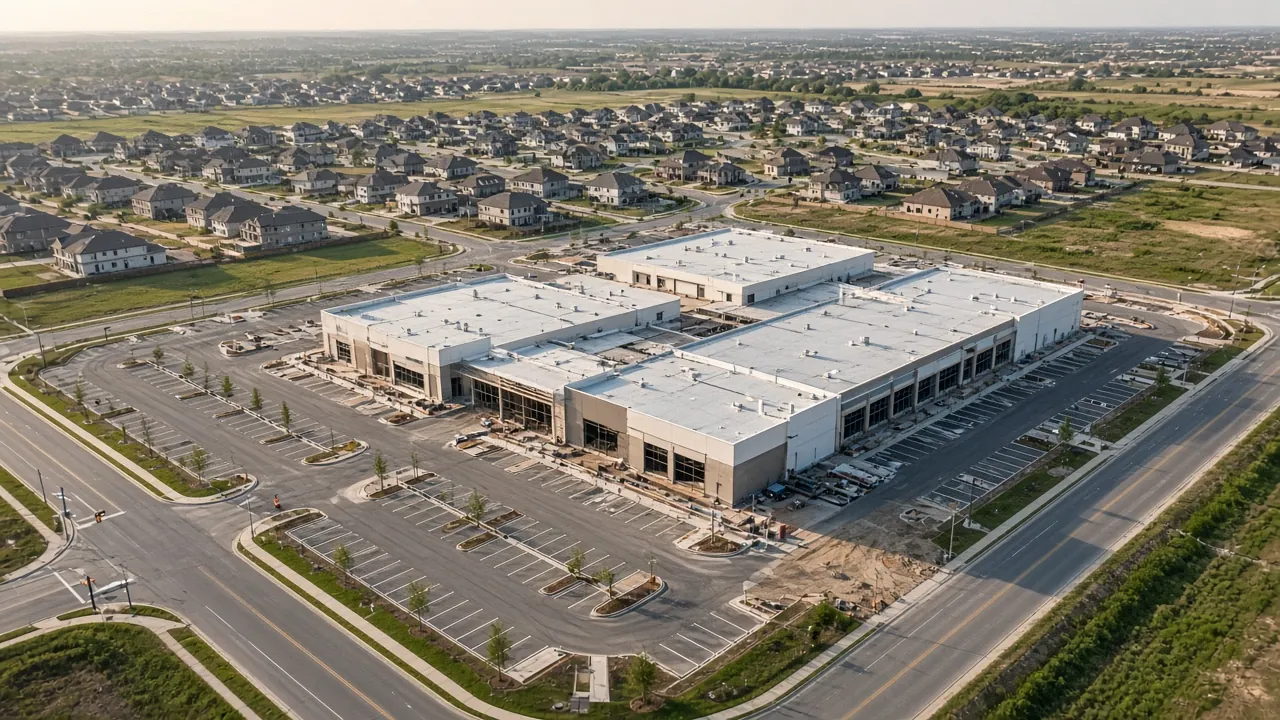
Retail real estate has a simple rule: it follows rooftops. Shoppers want groceries, coffee, dentists, gyms and restaurants close to home. In Houston, where tens of thousands of new homes are built every year, that means the retail map keeps moving outward.
The corridors leading growth
West: Katy, Fulshear and Brookshire
Master-planned communities along I-10, the Westpark Tollway and the Grand Parkway have created sustained demand for neighborhood retail and medical services.
Northwest: Cypress, Hockley and the 290 corridor
Highway 290 and the Grand Parkway connect large communities with growing daily-needs retail.
Southwest: Fort Bend County
Sugar Land, Missouri City, Richmond and Rosenberg continue to add households along I-69 and the Grand Parkway.
South: Pearland, Manvel and Iowa Colony
Brazoria County’s northern communities have seen rapid residential growth along SH 288.
North: The Woodlands, Spring and Conroe
Montgomery County growth along I-45 and the Grand Parkway supports new retail and medical development.
East and Northeast: Baytown, Mont Belvieu and Humble
Industrial job growth and new communities support service retail.
Timing matters
Retail typically lags residential. Early in a community’s life, rooftops are few and retail leasing is slow. As communities mature, demand for daily-needs retail rises. Investors and operators who understand absorption (how fast homes are actually closing) can position ahead of demand without getting too early.
What to look for
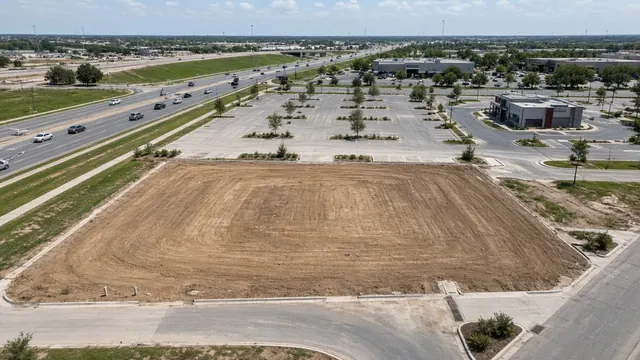
- Hard-corner sites at major intersections.
- Signalized access and median cuts.
- Proximity to schools, which concentrate traffic.
- Planned road improvements that change traffic patterns.
- Competing retail entitled or under construction nearby.
Investment angles
- Pad sites and ground leases to QSR, coffee, fuel, medical and banking users. Read our pad site guide.
- Neighborhood strip centers with service tenants. Read buying a strip center.
- Medical retail such as urgent care, dental and physical therapy.
- Land held for future retail at key intersections.
Frequently asked questions
Where is retail growing in Houston?
Generally along the Grand Parkway and suburban corridors in Katy, Fulshear, Cypress, Fort Bend, Pearland, Manvel and Montgomery County.
When does retail follow new homes?
Retail usually lags residential until enough rooftops are occupied to support tenants.
What makes a strong retail site?
Visibility, traffic counts, access, nearby rooftops and limited competing supply.
How we help
Matador Realty Group works on both sides of Houston growth: new-construction homes and the commercial real estate that follows them. Learn more about our retail and land practices.
Have a deal or question in mind?
Talk it through with Apurva. A 20-minute call is usually enough to know your next step.