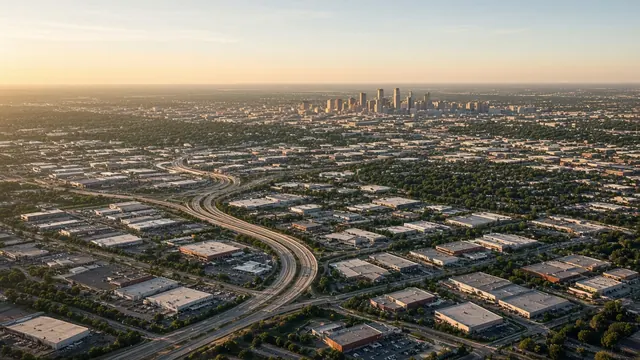
Houston is one of the largest metropolitan areas in the United States and one of its most consistent growth stories. For investors, the question isn’t whether Houston grows, but where, how fast and in which asset classes.
The fundamentals
Population growth
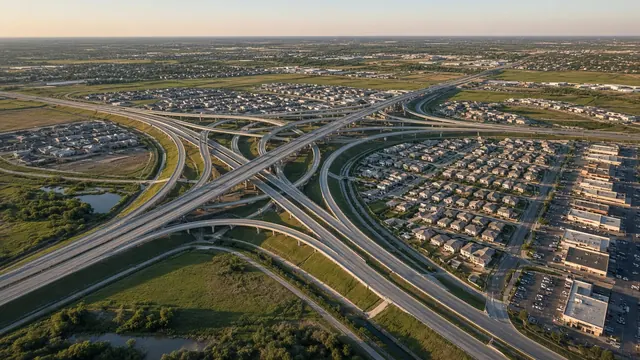
The Houston region has added residents steadily for decades through domestic migration, international immigration and natural growth. New residents need homes, stores, healthcare, storage and jobs.
A more diverse economy
Energy remains central, but Houston’s economy also includes healthcare and life sciences, logistics, manufacturing, aerospace, finance and professional services.
Port Houston
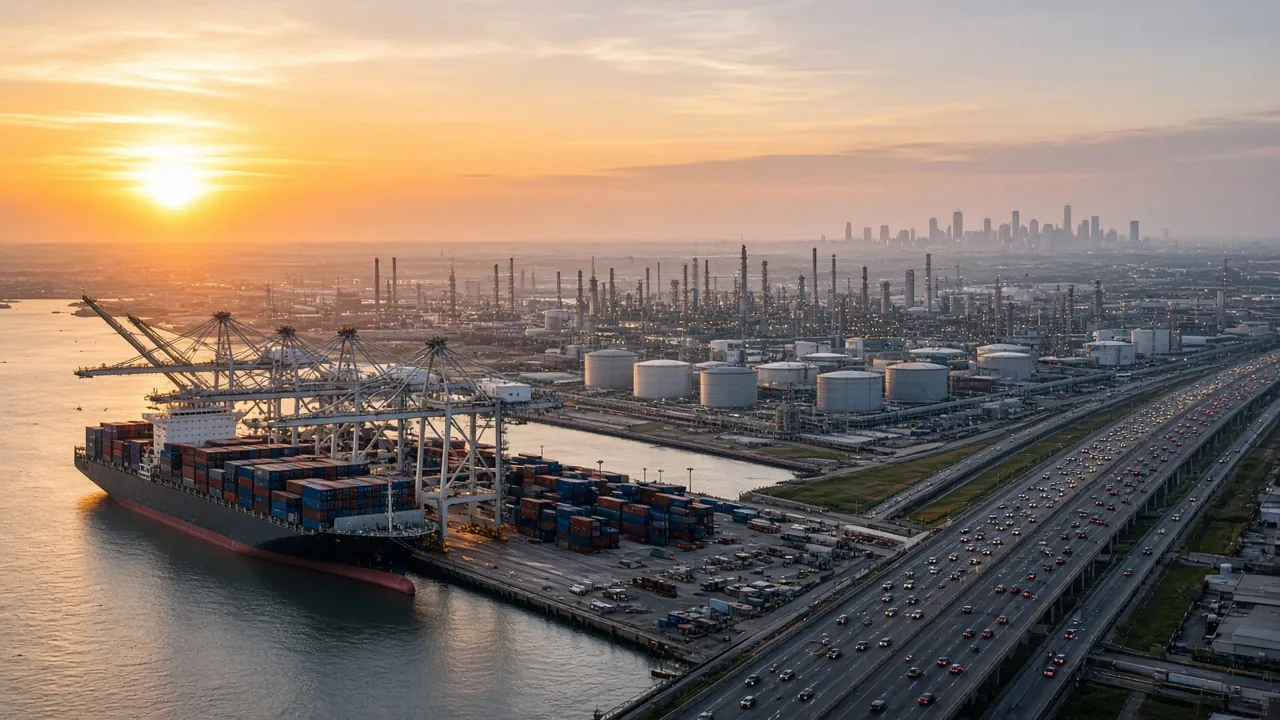
One of the busiest ports in the nation by tonnage, Port Houston drives demand for warehouses, distribution and industrial land.
Texas Medical Center
One of the largest medical complexes in the world, supporting jobs and healthcare real estate across the region. Read Houston medical real estate.
Business climate
Texas has no state personal income tax, and Houston’s cost of doing business is competitive with other major metros.
Land and flexibility
Abundant land and Houston’s lack of traditional zoning allow supply to respond to demand. Read Houston no zoning explained.
The risks to manage
- Flooding and drainage.
- Property taxes, often the largest operating expense.
- Insurance costs on the Gulf Coast.
- Energy-cycle exposure in certain submarkets.
- Supply responsiveness: easy development can mean new competition.
Where opportunities concentrate
- New construction and the commercial real estate that follows rooftops. See retail growth corridors.
- Industrial near the port and major highways.
- Medical office in suburban growth areas.
- Self-storage in under-supplied trade areas.
- Land in the path of growth. See the Grand Parkway corridor.
- Repositioned office where pricing has reset.
Frequently asked questions
Is Houston a good place to invest in real estate?
Houston’s population growth, diverse economy and business climate support long-term demand, with flood, tax and insurance risks to manage.
What are the biggest risks in Houston real estate?
Flooding, property taxes, insurance costs and new supply.
Which Houston asset classes have strong demand?
Industrial, medical office, self-storage in underserved areas, neighborhood retail in growth corridors and new-construction housing.
How we help
Matador Realty Group helps investors navigate Houston across asset classes, with an owner-operator’s perspective. Learn about our investor services and commercial practice.
Have a deal or question in mind?
Talk it through with Apurva. A 20-minute call is usually enough to know your next step.