Development deals are won or lost in the contract. A good structure gives the developer time to confirm the project works and gives the landowner certainty and compensation for taking the property off the market.
This is general information; work with a real estate attorney on contract drafting.
Feasibility (due diligence) periods
The feasibility period lets the buyer investigate the site and terminate if it doesn’t work. For development land, typical items include survey, title, environmental, geotechnical, floodplain and detention studies, utility availability and preliminary site planning.
Simple infill lots might need 30–45 days. Larger tracts requiring platting, utility commitments or district creation often need much longer.
Extensions
Buyers often negotiate extension options, with additional earnest money or extension fees, sometimes non-refundable but applicable to the price.
Option agreements
Instead of a purchase contract with a long feasibility period, some deals use an option agreement: the buyer pays for the right (but not obligation) to buy within a set time. Options can work well for entitlement-heavy projects.
Closing contingencies
Developers may seek contingencies tied to approvals: plat approval, zoning changes in suburban cities, utility commitments or financing. Landowners typically push back on open-ended contingencies; outside dates are important.
Staged takedowns
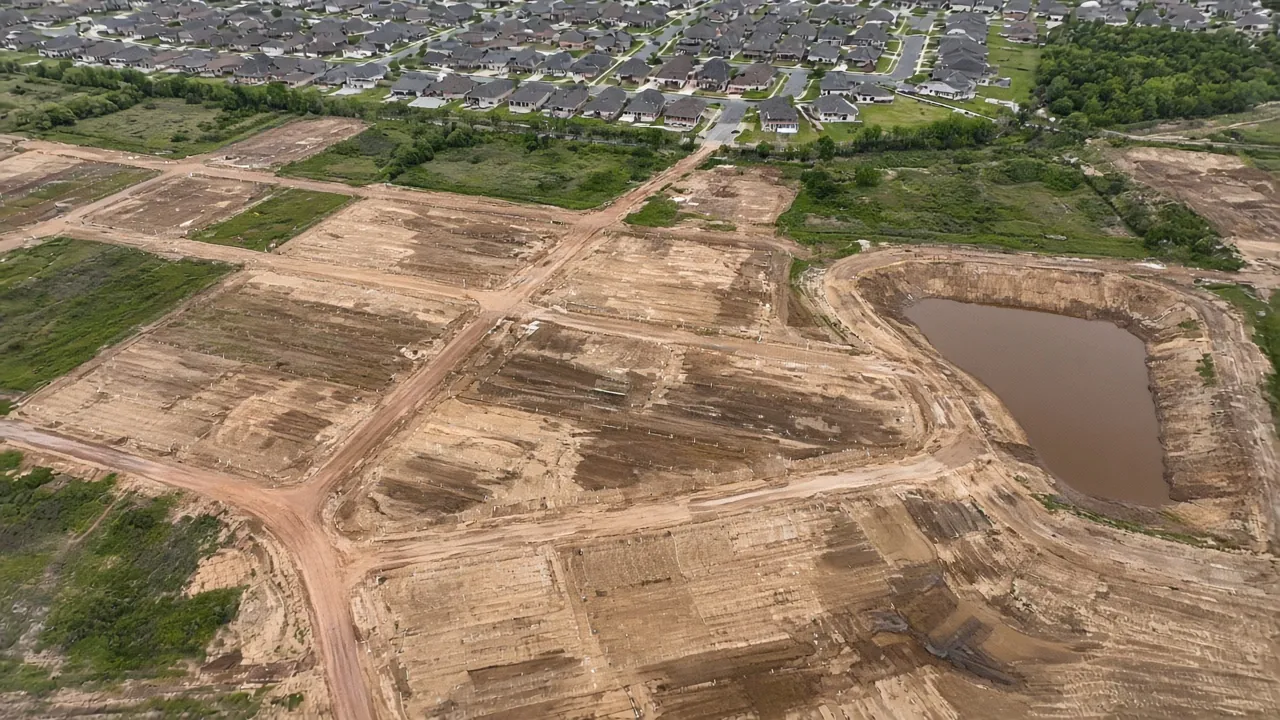
For large tracts, developers may close in phases, buying sections as they develop. Landowners should address pricing escalations, minimum takedown schedules, and what happens if the developer stops buying.
Seller participation
Landowners sometimes contribute land to a joint venture, take a share of profits, or carry financing. These structures can increase total value but add risk and complexity.
Rollback taxes and minerals
Address rollback tax liability and mineral rights explicitly. Read ag valuation and rollback taxes.
Frequently asked questions
What is the difference between an option and a purchase contract?
An option gives the buyer the right but not the obligation to buy; a purchase contract obligates both parties after contingencies expire.
Are extension fees refundable?
Often not, though they may apply to the purchase price. It is negotiable.
What is a staged takedown?
A structure where a buyer acquires portions of a larger tract over time on an agreed schedule.
How we help
We negotiate development contracts for both developers and landowners and coordinate the diligence that fills the feasibility period. Learn about our development practice.
Have a deal or question in mind?
Talk it through with Apurva. A 20-minute call is usually enough to know your next step.