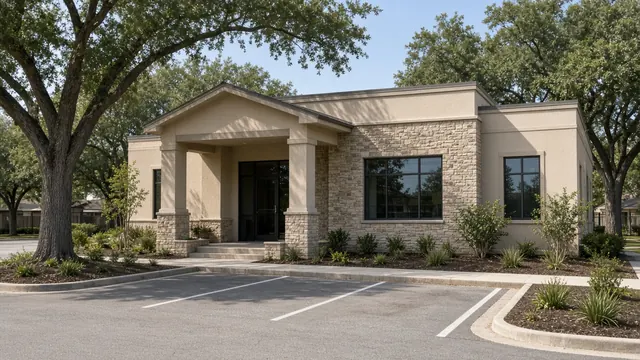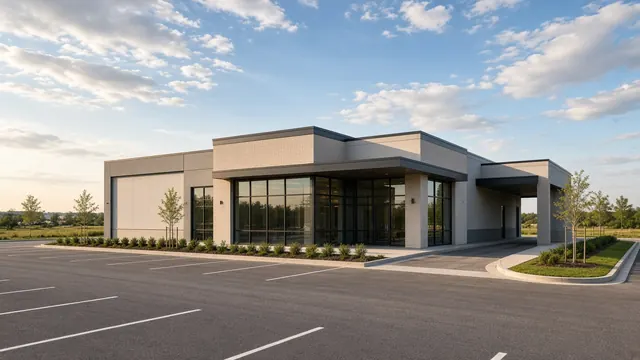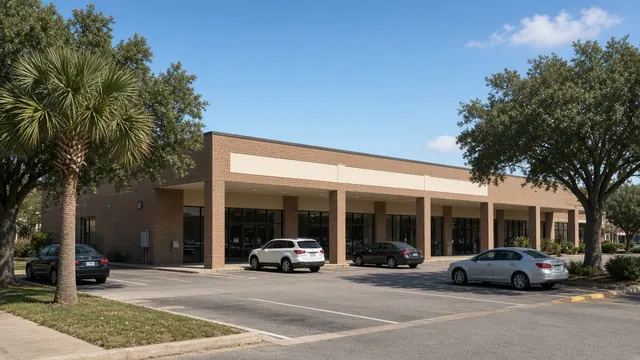
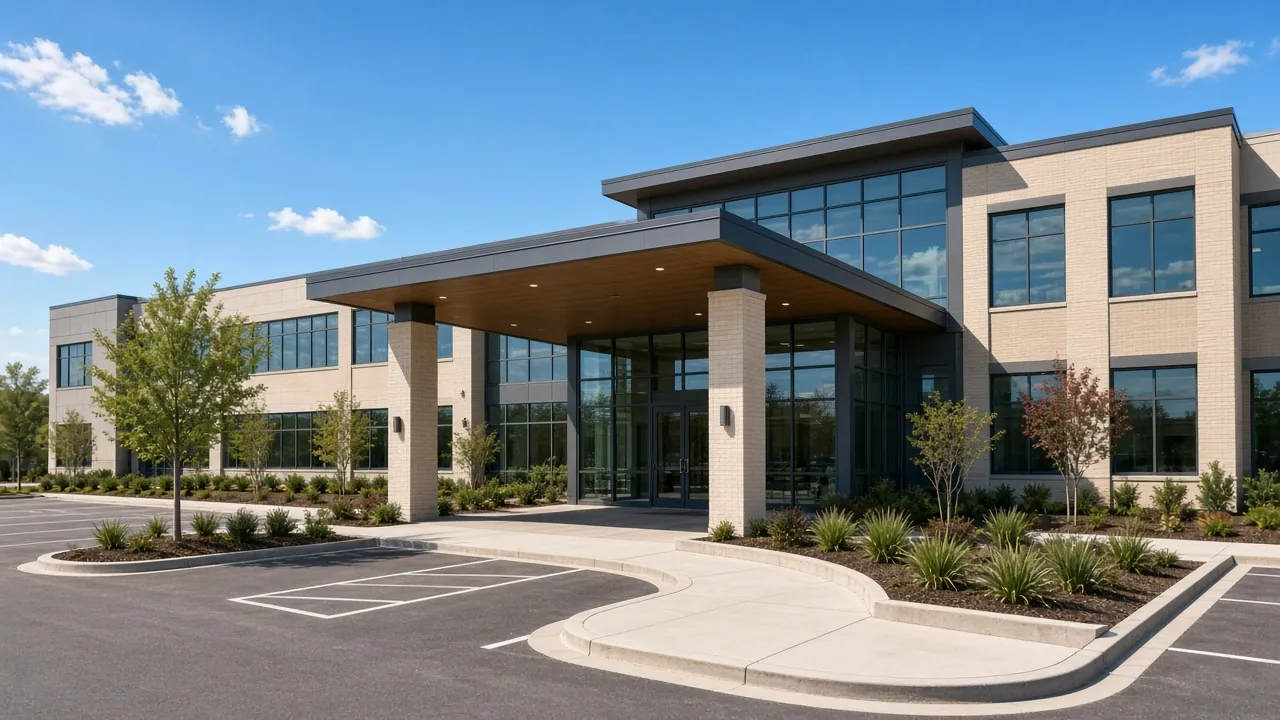
Healthcare is one of Houston’s most important industries, anchored by the Texas Medical Center and a network of suburban hospital campuses that keeps expanding with the population. Medical office buildings (MOBs), from multi-tenant buildings on hospital campuses to single-tenant clinics in suburban retail corridors, have become a favored asset class for investors seeking durable demand.
Why investors like medical office
- Sticky tenants. Medical build-outs are expensive, and practices depend on location and referral relationships, so tenants tend to renew.
- Demographic tailwinds. Population growth and an aging population increase demand for outpatient care.
- Shift to outpatient settings. Many procedures and services have moved from hospitals into outpatient facilities.
- Diversification. Healthcare demand is less tied to energy cycles than some Houston office demand.
Types of medical real estate
- On-campus MOBs connected to or adjacent to hospitals.
- Off-campus MOBs near hospitals and growing suburbs.
- Single-tenant clinics: urgent care, dental, dialysis, imaging, physical therapy.
- Medical retail in shopping centers and on pad sites.
- Ambulatory surgery centers and specialty facilities.
How to underwrite
Tenant quality
Health-system tenants, large physician groups and national operators differ from small independent practices. Review financial strength, guarantees and practice longevity.
Lease structure
Term, escalations, renewal options and expense pass-throughs. Leases involving referral sources must comply with healthcare regulations; work with healthcare counsel.
Building infrastructure
Plumbing, electrical capacity, medical gas, generators, HVAC and ADA compliance.
Parking
Medical uses generally need more parking than general office.
Location and referral geography
Proximity to hospitals, specialists and patient population.
Risks
- Specialized build-outs can be costly to re-tenant.
- Health-system consolidation can shift where providers want to be.
- Regulatory and reimbursement changes affect tenant economics.
- Floodplain, power resilience and generator capacity are critical.
Frequently asked questions
Why are medical office buildings considered stable?
Tenants invest heavily in build-outs and depend on location, so renewal rates tend to be high.
What is an on-campus MOB?
A medical office building located on or adjacent to a hospital campus.
Do medical leases have special legal requirements?
Leases involving referral sources may need to meet fair market value and other healthcare regulatory requirements.
How we help
We represent investors in MOB acquisitions and providers buying or leasing their practice space. Learn about our medical office practice.
Have a deal or question in mind?
Talk it through with Apurva. A 20-minute call is usually enough to know your next step.