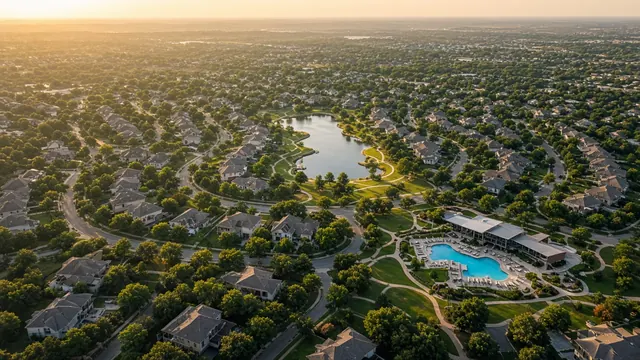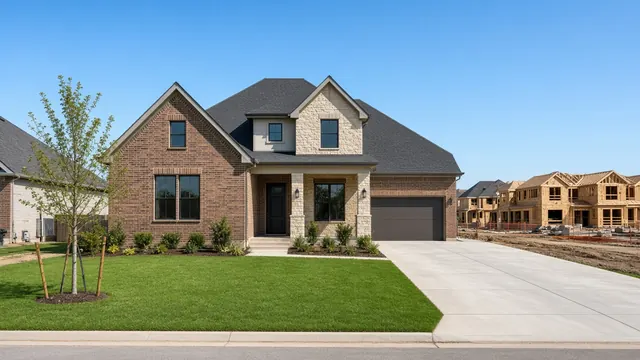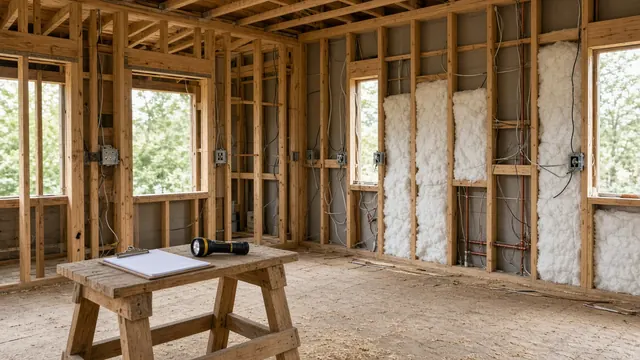
If you are shopping for a new home outside Houston’s urban core, you will run into three letters again and again: MUD. Municipal Utility Districts are one of the main reasons the Houston region can build so many new homes, and one of the main reasons two similarly priced homes can carry very different monthly payments.
What is a MUD?
A Municipal Utility District is a political subdivision of the State of Texas, typically created to finance water, sewer and drainage infrastructure (and sometimes roads, parks and recreational facilities) for new development. The developer advances money to build the infrastructure; the MUD later issues bonds, approved by the district’s voters, to reimburse the developer. Homeowners in the district repay those bonds through property taxes.
How MUD taxes show up on your bill
Your property tax bill combines rates from every taxing unit that covers your property: county, school district, city (if inside city limits), community college, hospital district, flood control, emergency services, and any MUD or other special district. The MUD rate is simply one more line.
In newer districts, MUD rates are often higher because the bond debt is new and the tax base is still small. As more homes are built and values rise, many MUD rates decline over time, though that is not guaranteed.
PIDs are different
A Public Improvement District levies an assessment rather than a tax rate, often on a fixed schedule per lot. PIDs can appear alongside or instead of MUDs. Read the PID disclosures carefully; assessments can run for many years.
How to find the real number
- Ask the builder for the total tax rate for the specific address.
- Check the county appraisal district (HCAD, FBCAD, MCAD, Brazoria CAD and others) and the district’s website.
- Read the statutory MUD notice. Texas Water Code requires sellers to give buyers a notice about the district’s tax rate and bonds before closing. Read it before you sign, not at the closing table.
- Remember new-home assessments lag. Your first tax bill may be based on land value only; the next year will reflect the completed home.
Does a MUD make a home a bad buy?
No. MUDs are what make much of suburban Houston possible, and many of the region’s most desirable communities have them. Lower purchase prices and strong amenities can more than offset a higher rate. The point is to compare total monthly cost (principal, interest, taxes, insurance, HOA and assessments) across options.
A quick illustration
| Home | Price | Total tax rate | Annual taxes (approx.) |
|---|---|---|---|
| Community A | $420,000 | 2.3% | $9,660 |
| Community B | $400,000 | 3.2% | $12,800 |
The “cheaper” home in Community B costs about $260 more per month in taxes alone. Exemptions such as the homestead exemption will change these numbers, but the comparison still matters.
Homestead exemptions and appraisal caps
Once the home is your primary residence, file for a homestead exemption with the appraisal district. Homesteads also benefit from a cap that limits annual increases in taxable value. These rules have changed several times in recent legislative sessions, so confirm current amounts.
Frequently asked questions
Do MUD taxes ever go away?
MUD taxes continue while the district has bonds outstanding and operating needs. Rates often decline as the tax base grows, but they rarely disappear entirely.
How do I find a property’s MUD tax rate?
Check the county appraisal district, the district’s website and the statutory MUD notice the seller must provide.
Are homes in MUDs a bad investment?
No. Many of Houston’s most desirable suburbs are in MUDs. Compare total monthly cost and resale trends.
How we help
Our new-construction buyers get a side-by-side comparison that includes total tax rate, PID assessments and HOA dues, not just list price. Start with our master-planned communities guide or contact us.
Have a deal or question in mind?
Talk it through with Apurva. A 20-minute call is usually enough to know your next step.