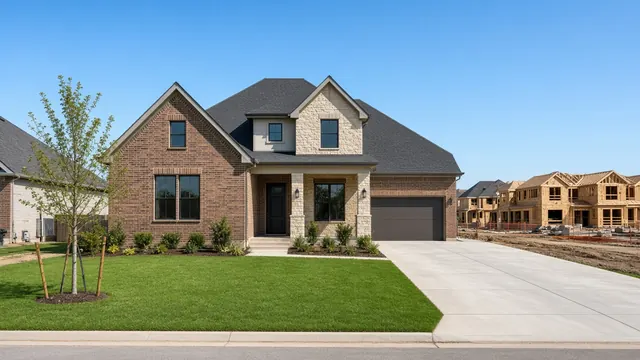
“It’s brand new, so why would I inspect it?” We hear this often. The answer is that new homes are built quickly, by many different trades, under schedule pressure. Municipal inspections confirm minimum code compliance at specific points; they are not a review of workmanship on your behalf. An independent inspector works for you.
The four inspections we recommend
1. Pre-pour (foundation) inspection
Before the slab is poured, an inspector reviews forms, cables or rebar, vapor barrier, plumbing penetrations and beam dimensions against the engineered plans. Houston’s expansive clay soils make the foundation the most important structural element of your home, and once concrete is placed, problems are expensive or impossible to see.
2. Pre-drywall inspection
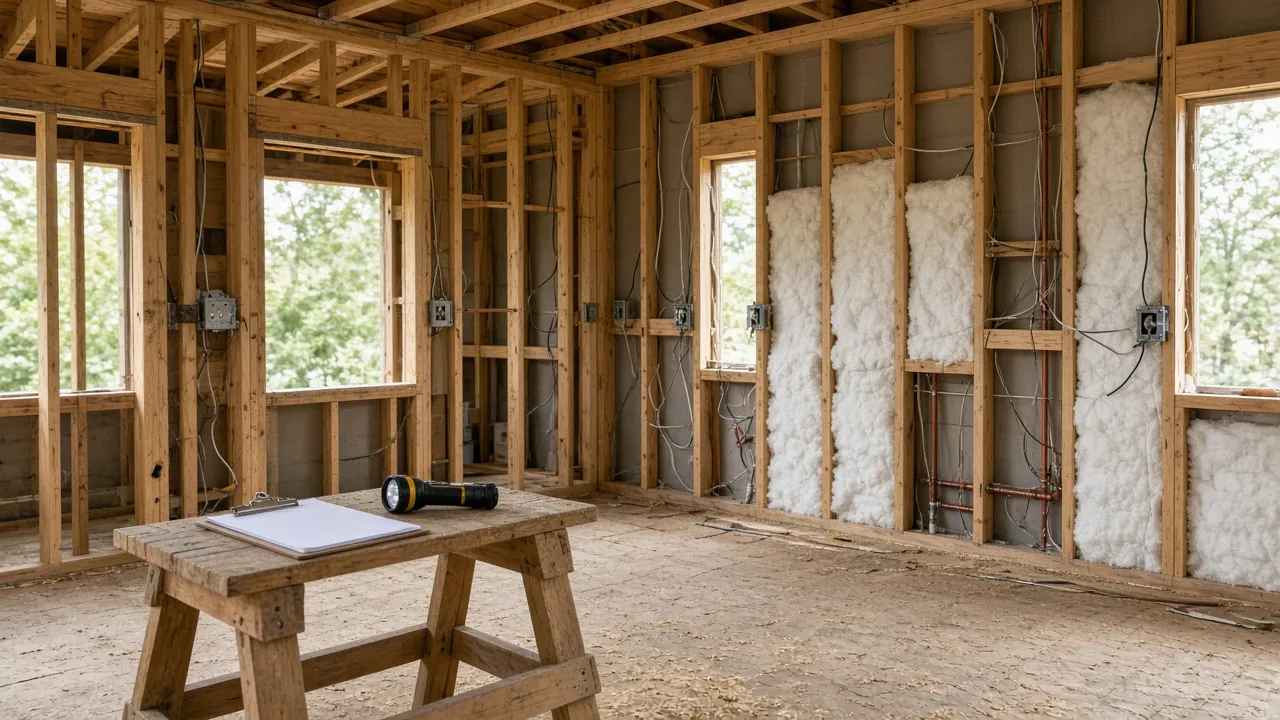
This is often the most valuable inspection. With framing, plumbing, electrical, HVAC ducts and insulation exposed, an inspector can catch missing fasteners, damaged framing, improper flashing around windows, poorly supported ductwork, and plumbing or electrical issues that will be hidden forever once drywall goes up.
3. Final inspection
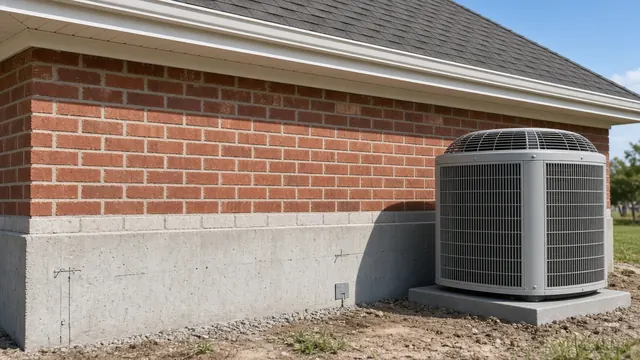
Before your final walkthrough, a full inspection of the finished home: roof, attic, exterior, grading and drainage, windows and doors, appliances, HVAC performance, plumbing and electrical. The report becomes the backbone of your punch list.
4. Eleven-month warranty inspection
Most builders provide one-year workmanship coverage. Around month eleven, an inspection identifies settling cracks, drainage issues, HVAC problems and anything else that should be submitted to the builder while coverage is still in force.
Will the builder allow independent inspections?
Most production builders in Houston allow third-party inspections, though they may set rules on scheduling, notice and site access for safety and insurance reasons. Review the contract and the builder’s inspection policy before you sign, and schedule early. The pre-drywall window can be short.
Turning the report into results
An inspection report only helps if it is acted on. We recommend:
- Sending the report to the builder’s construction manager promptly, organized by priority.
- Requesting written confirmation of what will be corrected and when.
- Re-checking critical items before drywall or before closing.
- Keeping the reports for your warranty file and for future resale.
A note on builder warranties
Many Texas builders use a “1-2-10” warranty structure: one year on workmanship and materials, two years on major systems, and ten years on major structural components, but terms vary widely. Read ours on new home warranties in Texas.
Frequently asked questions
How much does a new construction inspection cost in Houston?
Costs vary by home size and inspector. Phase inspections are usually priced individually, and packages for pre-pour, pre-drywall and final are common. Ask for quotes before you sign the builder contract.
Can the builder refuse an independent inspection?
Most Houston builders allow third-party inspections with notice and site rules. Confirm the builder’s policy before signing.
When should I schedule an 11-month warranty inspection?
About 10 to 11 months after closing, so items can be submitted before one-year workmanship coverage expires.
How we help
When we represent new-construction buyers, we coordinate inspections at each phase, review reports with you, and work with the builder’s team to get items resolved before closing. Learn more about buying new construction with Matador.
Have a deal or question in mind?
Talk it through with Apurva. A 20-minute call is usually enough to know your next step.