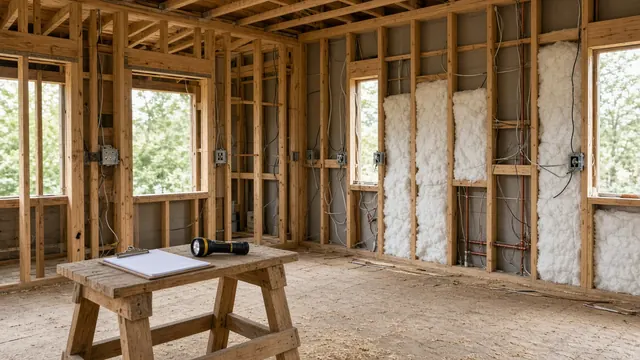
A builder warranty is one of the real advantages of buying new construction. It is also one of the most misunderstood. Here is how warranties generally work in Texas and how to get the most from yours.
The common “1-2-10” framework
Many Texas builders provide a warranty that follows a tiered structure:
- One year: workmanship and materials. Items like drywall, paint, trim, doors, cabinets, flooring and fixtures.
- Two years: systems. Plumbing, electrical and HVAC distribution systems (often excluding appliances and equipment covered by manufacturer warranties).
- Ten years: major structural components. Load-bearing elements such as the foundation, beams and framing, usually defined narrowly and subject to performance standards.
These are typical, not universal. Some builders administer the warranty themselves; others use a third-party warranty company. Read the actual document.
What warranties usually don’t cover
- Normal wear and tear and homeowner maintenance items.
- Minor cosmetic issues within published tolerances.
- Damage from weather events, flooding or improper drainage changes you make.
- Appliances (covered by manufacturers).
- Landscaping and items you added after closing.
Texas-specific considerations
Texas has a statutory process for construction-defect claims that generally requires homeowners to give the builder written notice and an opportunity to inspect and repair before filing suit. Many builder contracts also include arbitration requirements. Keep written records of every request.
How to use your warranty well
- Read the warranty before closing. Know the definitions, tolerances and claims procedure.
- Document everything. Photos, dates and written submissions.
- Submit items in batches unless they are urgent (leaks, HVAC failure, electrical issues).
- Schedule an 11-month inspection. An independent inspector can find issues to submit before one-year coverage ends.
- Track the two-year and ten-year deadlines.
Warranties and resale
Many builder warranties transfer to a subsequent buyer for the remaining term. That can be a selling point when you list a nearly new home.
Frequently asked questions
Does a builder warranty transfer to the next owner?
Many do for the remaining term. Check the warranty document.
What is not covered by a new home warranty?
Typically normal wear, homeowner maintenance, weather damage, appliances and minor cosmetic issues within tolerances.
What should I do if the builder won’t fix a warranty item?
Document the issue in writing, follow the warranty’s claims process and review the dispute resolution terms. Consult an attorney for serious defects.
How we help
We review warranty terms with clients before they sign and remind them to schedule their 11-month inspection. See our guide to new construction inspections in Houston and our buyer program.
Have a deal or question in mind?
Talk it through with Apurva. A 20-minute call is usually enough to know your next step.