Houston’s flat terrain, heavy rainfall and clay soils make drainage a defining feature of local real estate. New construction is generally built to stricter standards than older homes, but “new” is not the same as “no risk.” Here is how we approach flood diligence for new-home buyers.
What changed after Harvey
Two shifts reshaped development rules in the region:
- NOAA Atlas 14 updated rainfall frequency estimates for Texas, significantly increasing the amount of rain associated with a “100-year” storm in the Houston area. Floodplain maps and drainage criteria have been updated in response.
- City of Houston Chapter 19 amendments, adopted in 2018, require new construction and substantial improvements in both the 100-year and 500-year floodplains to be elevated above the 500-year flood elevation (generally two feet). Harris County and other jurisdictions have adopted their own stricter standards.
These changes mean newer homes and communities are typically designed with more detention capacity and higher finished floors than homes built decades ago.
Questions to ask about any new-construction lot
- Is the lot in a mapped floodplain? Check FEMA maps and local tools such as the Harris County Flood Control District’s resources. Remember that preliminary maps may differ from effective maps.
- What is the finished floor elevation relative to base flood elevation and the street?
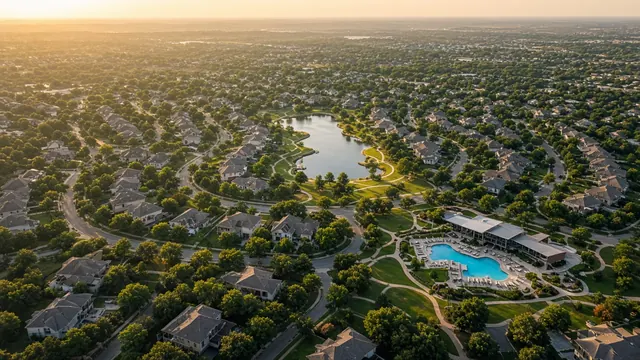
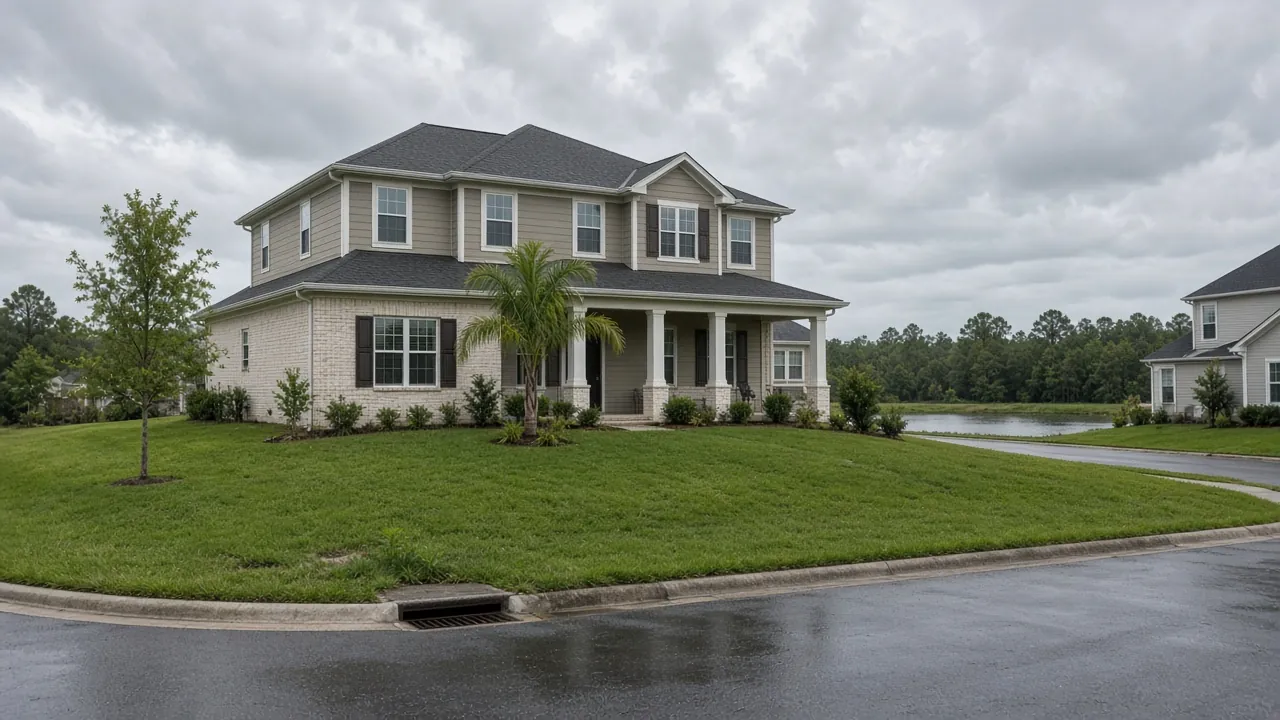
- Where does water go? Look at lot grading, swales, the street drainage and the community’s detention ponds.
- What does the lot back to? Drainage channels and detention ponds can be attractive amenities, but understand the design.
- Will an elevation certificate be provided? It can help with insurance pricing.
- What will flood insurance cost? Even outside the mapped floodplain, a meaningful share of flood claims in the Houston area come from properties outside high-risk zones. Get a quote before you commit.
Lot selection beyond flooding
- Orientation: a north- or south-facing backyard affects summer heat and energy use.
- Neighbors you haven’t met yet: future commercial tracts, schools, roads or pipelines.
- Easements: utility and pipeline easements can limit pools, fencing and additions.
- Lot premiums: confirm what you are paying extra for and whether it adds resale value.
The bottom line
Stricter post-Harvey standards have made new construction in the Houston region more resilient. Buyers should still verify the specific lot, understand the drainage design and price flood insurance into their budget.
Frequently asked questions
Do I need flood insurance for a new home outside the floodplain?
It isn’t always required by lenders, but many Houston-area flood claims come from outside high-risk zones. Get a quote and consider coverage.
What is an elevation certificate?
A document prepared by a licensed surveyor showing a building’s elevation relative to flood levels. It can help determine flood insurance pricing.
Are new homes in Houston built higher than older homes?
Generally, yes. Post-Harvey rules require higher elevations in many floodplain areas.
How we help
We review floodplain status, elevation and drainage design as part of lot selection for every new-construction client. Read our new construction buyer guide or our article on Houston floodplain rules for development.
Have a deal or question in mind?
Talk it through with Apurva. A 20-minute call is usually enough to know your next step.